


language
English
العربية
বাংলাদেশ
Български
Hrvatski
Česky
Dansk
Nederland
 Esperanto
Slovenski
Filipino
Suomi
Français
Maori
 Shqiptare
Georgian
 Euskara
Deutsch
Ελλάδα
ישראל
इंडिया
Magyarország
Ísland
Indonesia
Irlanda
Italia
日本語
Sovensko
Հայաստան
한국
Kyrgyz
ປະເທດລາວ
 Zulu
Zulu
Latvian
Lithuanian
Luxembourgish
 Latinus
Macedonian
Малайская
Maltese
Монгол улс
 Cymraeg
ဗမာ
 தமிழ்
தமிழ்
नेपाल
Norge
ایران
Polska
Portugal
România
Российская
Србија
 Slovak
Србија
 Slovak
Bosanski
Slovenian
Беларус
España
Sverige
Точик
ประเทศไทย
Türk
Azərbaycan
Uzbek
 Afrikaans
Việt Nam
News
The Benefits and Functionality of Garment Folding Machines in the Manufacturing Industry
2024-01-30
Introduction:
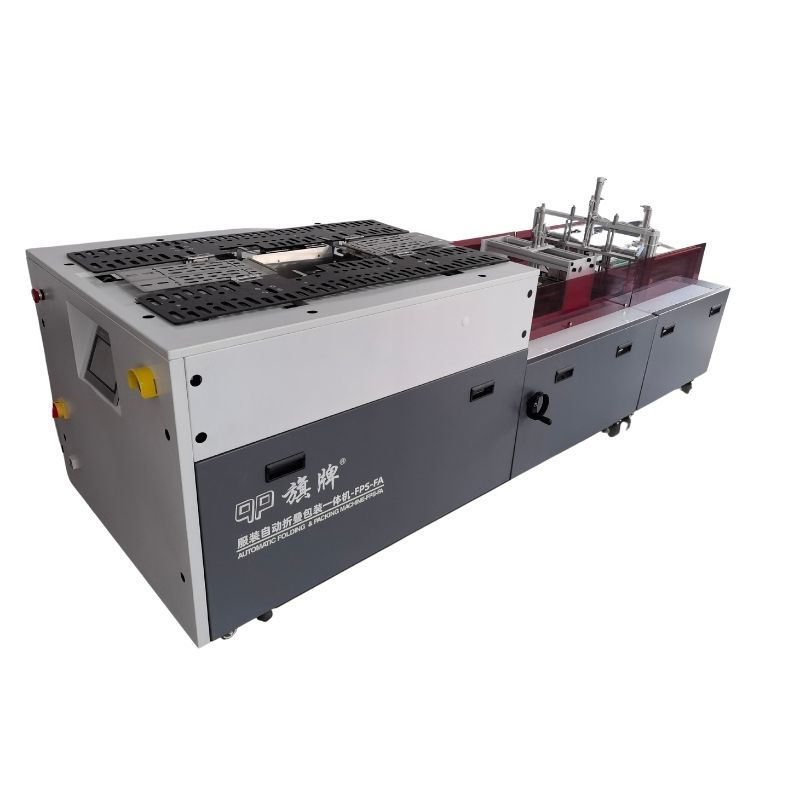
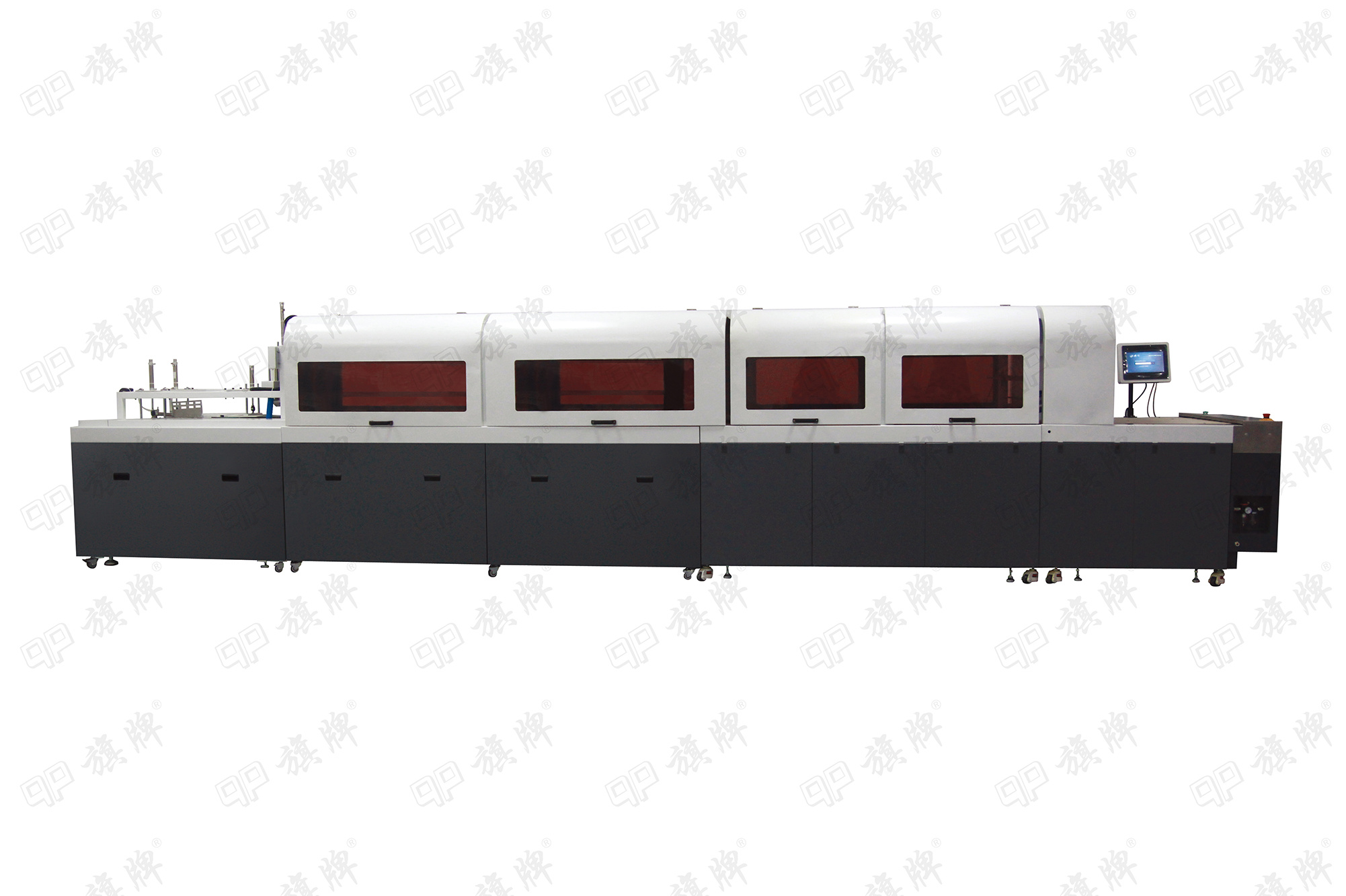
In the manufacturing and processing industry, garment folding machines play a significant role in enhancing the efficiency and productivity of packaging machinery. These machines are designed to fold garments, such as clothes, textiles, and other fabric-based products, quickly and accurately. This article will explore the benefits and functionality of garment folding machines in the context of the manufacturing industry.
1. Increased Efficiency:
Garment folding machines streamline the packaging process by automating the folding of garments. With their advanced technology, these machines can fold numerous garments in a short amount of time, significantly increasing the production rate. By reducing the need for manual folding, manufacturers can allocate their workforce to other essential tasks, enhancing overall efficiency.
2. Improved Accuracy:
Manual folding of garments can often result in inconsistencies and errors. However, garment folding machines ensure precise folding, maintaining uniformity and improving the overall appearance of the packaged products. This accuracy not only enhances the visual appeal of the garments but also instills customer confidence in the brand.
3. Space Optimization:
Packaging machinery, including garment folding machines, are designed to optimize spatial utilization. These machines are compact and can be integrated into existing packaging lines, making efficient use of the available space. By utilizing vertical and horizontal spaces effectively, manufacturers can enhance their production capacity without the need for significant expansions or additional facilities.
4. Versatility:
Garment folding machines are versatile in terms of the types of garments they can handle. They are adaptable to various sizes, fabrics, and folding techniques, ensuring compatibility with a wide range of garment products. This versatility allows manufacturers to cater to diverse customer demands, expanding their product offerings without investing in multiple specialized machines.
5. Time and Cost Savings:
Automating the garment folding process not only saves time but also reduces labor costs. By minimizing the need for manual intervention, manufacturers can significantly streamline their operations, leading to cost savings in the long run. Additionally, the consistent and efficient folding provided by these machines reduces material waste and enhances overall resource management.
Conclusion:
Garment folding machines have become indispensable in the manufacturing and processing industry, particularly in the packaging of garments and fabric-based products. Their ability to increase efficiency, improve accuracy, optimize space, offer versatility, and save time and costs makes them valuable assets in the production process. By investing in garment folding machines, manufacturers can enhance their competitiveness, meet customer demands, and ensure consistent quality in their packaged products.
In the manufacturing and processing industry, garment folding machines play a significant role in enhancing the efficiency and productivity of packaging machinery. These machines are designed to fold garments, such as clothes, textiles, and other fabric-based products, quickly and accurately. This article will explore the benefits and functionality of garment folding machines in the context of the manufacturing industry.
1. Increased Efficiency:
Garment folding machines streamline the packaging process by automating the folding of garments. With their advanced technology, these machines can fold numerous garments in a short amount of time, significantly increasing the production rate. By reducing the need for manual folding, manufacturers can allocate their workforce to other essential tasks, enhancing overall efficiency.
2. Improved Accuracy:
Manual folding of garments can often result in inconsistencies and errors. However, garment folding machines ensure precise folding, maintaining uniformity and improving the overall appearance of the packaged products. This accuracy not only enhances the visual appeal of the garments but also instills customer confidence in the brand.
3. Space Optimization:
Packaging machinery, including garment folding machines, are designed to optimize spatial utilization. These machines are compact and can be integrated into existing packaging lines, making efficient use of the available space. By utilizing vertical and horizontal spaces effectively, manufacturers can enhance their production capacity without the need for significant expansions or additional facilities.
4. Versatility:
Garment folding machines are versatile in terms of the types of garments they can handle. They are adaptable to various sizes, fabrics, and folding techniques, ensuring compatibility with a wide range of garment products. This versatility allows manufacturers to cater to diverse customer demands, expanding their product offerings without investing in multiple specialized machines.
5. Time and Cost Savings:
Automating the garment folding process not only saves time but also reduces labor costs. By minimizing the need for manual intervention, manufacturers can significantly streamline their operations, leading to cost savings in the long run. Additionally, the consistent and efficient folding provided by these machines reduces material waste and enhances overall resource management.
Conclusion:
Garment folding machines have become indispensable in the manufacturing and processing industry, particularly in the packaging of garments and fabric-based products. Their ability to increase efficiency, improve accuracy, optimize space, offer versatility, and save time and costs makes them valuable assets in the production process. By investing in garment folding machines, manufacturers can enhance their competitiveness, meet customer demands, and ensure consistent quality in their packaged products.


Overseas sales:0086015855150140
Domestic sales: 008618715414246
Customized needs: 008618756956623


Floor 3, Block D, Building 1, Yaohai City Science and Technology Industrial Park, No. 1 Baogong Avenue, Yaohai District, Hefei
Copyright © 2022 Huapu CNC Technology (Hefei) Co., Ltd., All Rights Reserved. www.300.cn SEO
 86-551-67892021

 在线留言
在线留言 