


language
English
العربية
বাংলাদেশ
Български
Hrvatski
Česky
Dansk
Nederland
 Esperanto
Slovenski
Filipino
Suomi
Français
Maori
 Shqiptare
Georgian
 Euskara
Deutsch
Ελλάδα
ישראל
इंडिया
Magyarország
Ísland
Indonesia
Irlanda
Italia
日本語
Sovensko
Հայաստան
한국
Kyrgyz
ປະເທດລາວ
 Zulu
Zulu
Latvian
Lithuanian
Luxembourgish
 Latinus
Macedonian
Малайская
Maltese
Монгол улс
 Cymraeg
ဗမာ
 தமிழ்
தமிழ்
नेपाल
Norge
ایران
Polska
Portugal
România
Российская
Србија
 Slovak
Србија
 Slovak
Bosanski
Slovenian
Беларус
España
Sverige
Точик
ประเทศไทย
Türk
Azərbaycan
Uzbek
 Afrikaans
Việt Nam
News
Save Time and Effort: Automate Clothes Packaging
2023-11-28
Table of Contents:
1. Introduction: The Need for Automation in Clothes Packaging
2. The Benefits of Automating Clothes Packaging
3. Enhancing Efficiency with Automated Packaging Machines
4. Streamlining the Packaging Process: A Closer Look
5. Understanding the Different Types of Clothes Packaging Machines
6. Selecting the Right Automated Packaging Machine for Your Needs
7. Frequently Asked Questions (FAQs)
8. Conclusion
1. Introduction: The Need for Automation in Clothes Packaging
In today's fast-paced manufacturing industry, time and efficiency are of utmost importance. Traditional clothes packaging methods often involve manual labor, which can be time-consuming and prone to errors. Therefore, automating clothes packaging has become a necessity for textile manufacturers seeking to optimize their processes and deliver products to customers more quickly and with higher precision.
2. The Benefits of Automating Clothes Packaging
By automating clothes packaging, manufacturers can enjoy numerous benefits. Firstly, it significantly reduces labor costs, as fewer workers are required to handle packaging tasks. This cost-saving advantage allows manufacturers to allocate resources to other important aspects of their operations. Additionally, automation eliminates human errors, resulting in consistent packaging quality and reducing the risk of product damage during transportation.
3. Enhancing Efficiency with Automated Packaging Machines
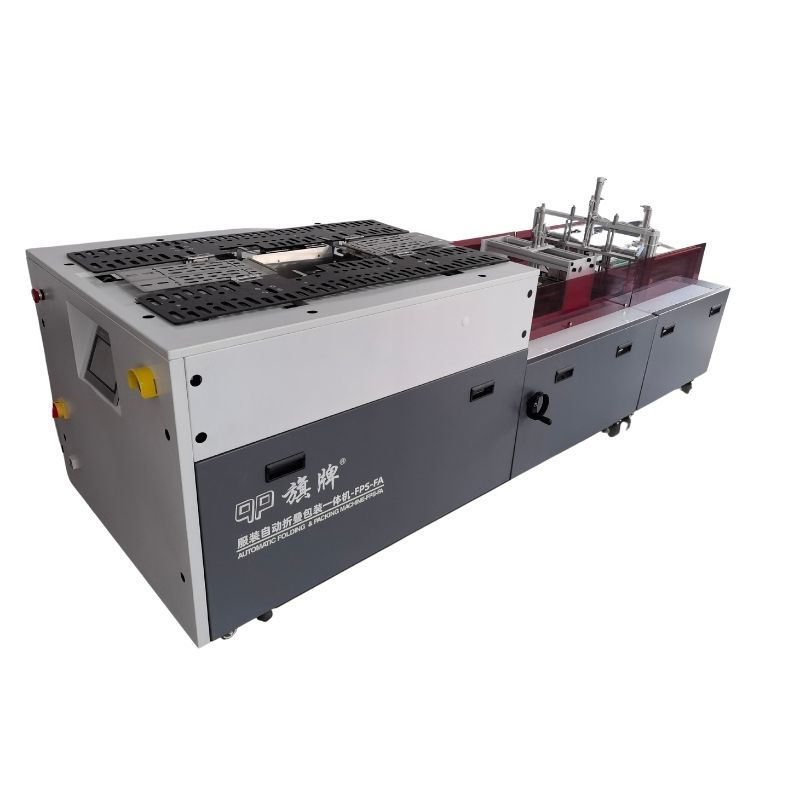
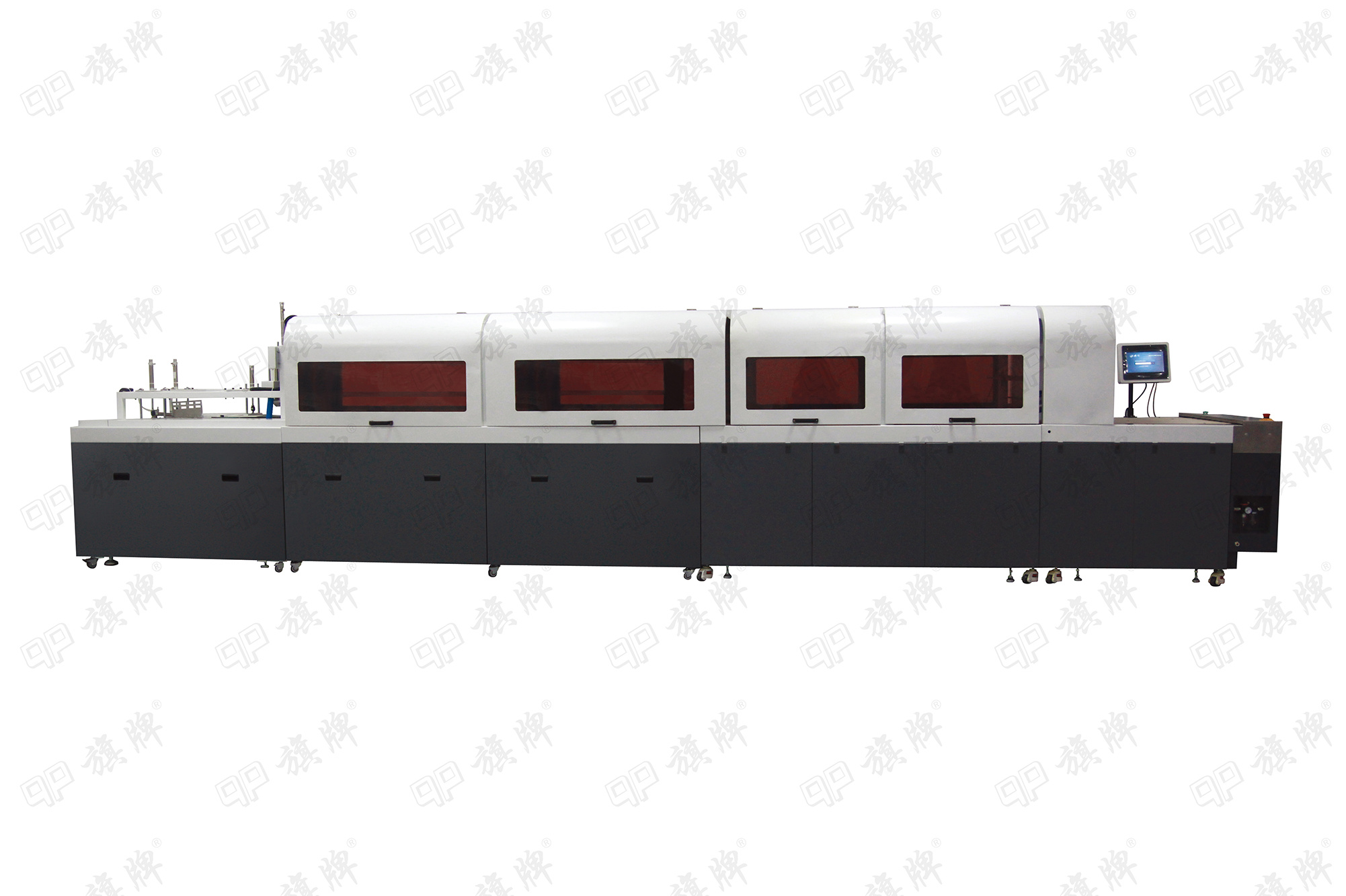
Automated packaging machines are designed to streamline the packaging process, maximizing efficiency and reducing downtime. These machines can perform tasks such as folding, labeling, sealing, and sorting garments with remarkable speed and accuracy. With advanced technology and intelligent programming, they can handle a variety of clothing items, including shirts, pants, dresses, and more, adapting to different sizes and shapes effortlessly.
4. Streamlining the Packaging Process: A Closer Look
In traditional packaging methods, workers manually fold and pack clothing items, which can be time-consuming and physically demanding. However, with automated packaging machines, the process becomes much simpler and faster. These machines can fold and pack garments at an impressive rate, ensuring a consistent and professional presentation. Furthermore, they can apply labels, tags, and even polybags with ease, allowing for a seamless transition from production to packing.
5. Understanding the Different Types of Clothes Packaging Machines
There are various types of automated packaging machines available, each catering to specific packaging requirements. Some common types include:
5.1. Folding and Bagging Machines:
These machines are capable of folding garments to precise dimensions and subsequently placing them into polybags. They can handle a wide range of clothing items and ensure a neat presentation for each product.
5.2. Labeling Machines:
Labeling machines play a crucial role in identifying and branding clothing items. They can apply adhesive labels with detailed product information, logos, and barcodes, enabling efficient tracking and inventory management.
5.3. Sorting Machines:
Sorting machines are indispensable for large-scale textile manufacturers. They can categorize clothing items based on size, color, style, or any other specific criteria, facilitating streamlined distribution and inventory management.
6. Selecting the Right Automated Packaging Machine for Your Needs
When choosing an automated packaging machine for clothes, several factors need to be considered. Firstly, assess your production volume and capacity requirements to ensure the machine can handle your workload effectively. It is also essential to evaluate the machine's flexibility to accommodate different clothing types and sizes. Additionally, consider the level of customization and adaptability the machine offers to meet your specific packaging needs. Finally, prioritize machines with user-friendly interfaces and comprehensive technical support for seamless integration into your existing workflow.
7. Frequently Asked Questions (FAQs)
Q1: Can automated packaging machines handle delicate fabrics without causing damage?
A1: Yes, advanced automated packaging machines are designed to handle delicate fabrics with care, ensuring minimal damage during the packaging process.
Q2: How much can I save on labor costs by automating clothes packaging?
A2: The exact savings depend on various factors, including production volume and labor rates. However, manufacturers can typically achieve significant cost savings by reducing the number of workers involved in packaging tasks.
Q3: Will automated packaging machines work with different clothing sizes and shapes?
A3: Yes, modern automated packaging machines are highly adaptable and can handle various clothing sizes and shapes, thanks to their intelligent programming and adjustable settings.
Q4: Can automated packaging machines integrate with existing production lines?
A4: Yes, most automated packaging machines are designed to seamlessly integrate into existing production lines, ensuring a smooth workflow and enhancing overall efficiency.
Q5: Are automated packaging machines easy to operate and maintain?
A5: Yes, reputable manufacturers provide user-friendly interfaces and comprehensive training for machine operation. Additionally, routine maintenance requirements are typically minimal, ensuring optimal performance and longevity.
8. Conclusion
In the increasingly competitive textile industry, automating clothes packaging has become essential for manufacturers striving to save time, cut costs, and enhance overall productivity. By investing in advanced packaging machinery designed specifically for the textile sector, manufacturers can revolutionize their operations, streamline the packaging process, and ultimately deliver high-quality products to customers efficiently. Embrace automation and take your clothes packaging to the next level - it's time to optimize your manufacturing and processing machinery for the future.
1. Introduction: The Need for Automation in Clothes Packaging
2. The Benefits of Automating Clothes Packaging
3. Enhancing Efficiency with Automated Packaging Machines
4. Streamlining the Packaging Process: A Closer Look
5. Understanding the Different Types of Clothes Packaging Machines
6. Selecting the Right Automated Packaging Machine for Your Needs
7. Frequently Asked Questions (FAQs)
8. Conclusion
1. Introduction: The Need for Automation in Clothes Packaging
In today's fast-paced manufacturing industry, time and efficiency are of utmost importance. Traditional clothes packaging methods often involve manual labor, which can be time-consuming and prone to errors. Therefore, automating clothes packaging has become a necessity for textile manufacturers seeking to optimize their processes and deliver products to customers more quickly and with higher precision.
2. The Benefits of Automating Clothes Packaging
By automating clothes packaging, manufacturers can enjoy numerous benefits. Firstly, it significantly reduces labor costs, as fewer workers are required to handle packaging tasks. This cost-saving advantage allows manufacturers to allocate resources to other important aspects of their operations. Additionally, automation eliminates human errors, resulting in consistent packaging quality and reducing the risk of product damage during transportation.
3. Enhancing Efficiency with Automated Packaging Machines
Automated packaging machines are designed to streamline the packaging process, maximizing efficiency and reducing downtime. These machines can perform tasks such as folding, labeling, sealing, and sorting garments with remarkable speed and accuracy. With advanced technology and intelligent programming, they can handle a variety of clothing items, including shirts, pants, dresses, and more, adapting to different sizes and shapes effortlessly.
4. Streamlining the Packaging Process: A Closer Look
In traditional packaging methods, workers manually fold and pack clothing items, which can be time-consuming and physically demanding. However, with automated packaging machines, the process becomes much simpler and faster. These machines can fold and pack garments at an impressive rate, ensuring a consistent and professional presentation. Furthermore, they can apply labels, tags, and even polybags with ease, allowing for a seamless transition from production to packing.
5. Understanding the Different Types of Clothes Packaging Machines
There are various types of automated packaging machines available, each catering to specific packaging requirements. Some common types include:
5.1. Folding and Bagging Machines:
These machines are capable of folding garments to precise dimensions and subsequently placing them into polybags. They can handle a wide range of clothing items and ensure a neat presentation for each product.
5.2. Labeling Machines:
Labeling machines play a crucial role in identifying and branding clothing items. They can apply adhesive labels with detailed product information, logos, and barcodes, enabling efficient tracking and inventory management.
5.3. Sorting Machines:
Sorting machines are indispensable for large-scale textile manufacturers. They can categorize clothing items based on size, color, style, or any other specific criteria, facilitating streamlined distribution and inventory management.
6. Selecting the Right Automated Packaging Machine for Your Needs
When choosing an automated packaging machine for clothes, several factors need to be considered. Firstly, assess your production volume and capacity requirements to ensure the machine can handle your workload effectively. It is also essential to evaluate the machine's flexibility to accommodate different clothing types and sizes. Additionally, consider the level of customization and adaptability the machine offers to meet your specific packaging needs. Finally, prioritize machines with user-friendly interfaces and comprehensive technical support for seamless integration into your existing workflow.
7. Frequently Asked Questions (FAQs)
Q1: Can automated packaging machines handle delicate fabrics without causing damage?
A1: Yes, advanced automated packaging machines are designed to handle delicate fabrics with care, ensuring minimal damage during the packaging process.
Q2: How much can I save on labor costs by automating clothes packaging?
A2: The exact savings depend on various factors, including production volume and labor rates. However, manufacturers can typically achieve significant cost savings by reducing the number of workers involved in packaging tasks.
Q3: Will automated packaging machines work with different clothing sizes and shapes?
A3: Yes, modern automated packaging machines are highly adaptable and can handle various clothing sizes and shapes, thanks to their intelligent programming and adjustable settings.
Q4: Can automated packaging machines integrate with existing production lines?
A4: Yes, most automated packaging machines are designed to seamlessly integrate into existing production lines, ensuring a smooth workflow and enhancing overall efficiency.
Q5: Are automated packaging machines easy to operate and maintain?
A5: Yes, reputable manufacturers provide user-friendly interfaces and comprehensive training for machine operation. Additionally, routine maintenance requirements are typically minimal, ensuring optimal performance and longevity.
8. Conclusion
In the increasingly competitive textile industry, automating clothes packaging has become essential for manufacturers striving to save time, cut costs, and enhance overall productivity. By investing in advanced packaging machinery designed specifically for the textile sector, manufacturers can revolutionize their operations, streamline the packaging process, and ultimately deliver high-quality products to customers efficiently. Embrace automation and take your clothes packaging to the next level - it's time to optimize your manufacturing and processing machinery for the future.


Overseas sales:0086015855150140
Domestic sales: 008618715414246
Customized needs: 008618756956623


Floor 3, Block D, Building 1, Yaohai City Science and Technology Industrial Park, No. 1 Baogong Avenue, Yaohai District, Hefei
Copyright © 2022 Huapu CNC Technology (Hefei) Co., Ltd., All Rights Reserved. www.300.cn SEO
 86-551-67892021

 在线留言
在线留言 