


language
English
العربية
বাংলাদেশ
Български
Hrvatski
Česky
Dansk
Nederland
 Esperanto
Slovenski
Filipino
Suomi
Français
Maori
 Shqiptare
Georgian
 Euskara
Deutsch
Ελλάδα
ישראל
इंडिया
Magyarország
Ísland
Indonesia
Irlanda
Italia
日本語
Sovensko
Հայաստան
한국
Kyrgyz
ປະເທດລາວ
 Zulu
Zulu
Latvian
Lithuanian
Luxembourgish
 Latinus
Macedonian
Малайская
Maltese
Монгол улс
 Cymraeg
ဗမာ
 தமிழ்
தமிழ்
नेपाल
Norge
ایران
Polska
Portugal
România
Российская
Србија
 Slovak
Србија
 Slovak
Bosanski
Slovenian
Беларус
España
Sverige
Точик
ประเทศไทย
Türk
Azərbaycan
Uzbek
 Afrikaans
Việt Nam
News
The Science of Clothes Folding Machines: How Automation Revolutionizes the Apparel Industry
2023-10-12
Introduction:
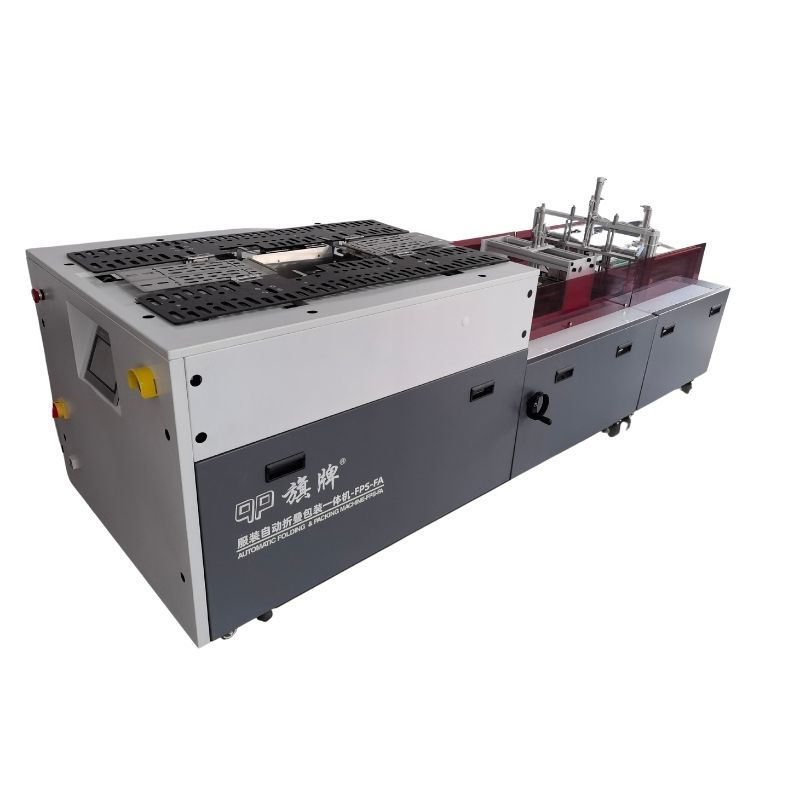
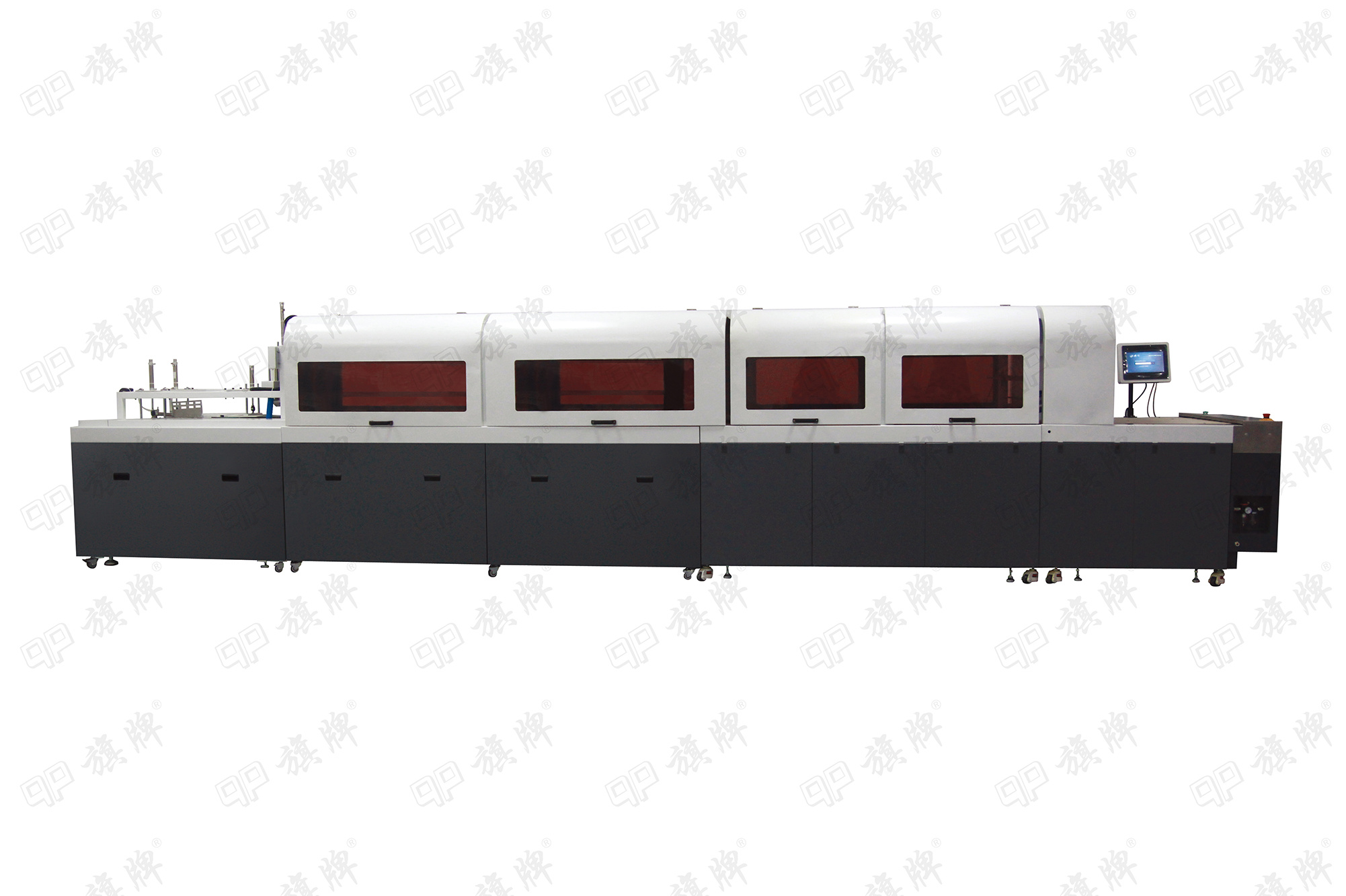
Clothes folding machines are a game-changer in the apparel industry, providing efficient and precise folding solutions that save time and effort. In this article, we delve into the science behind these machines and explore their impact on the automation of the clothing manufacturing process.
1. The Evolution of Clothes Folding Machines:
Clothes folding machines have come a long way since their inception. Initially, manual folding techniques were time-consuming and prone to errors. However, advancements in technology have led to the development of sophisticated automated systems that streamline the folding process.
2. How Clothes Folding Machines Work:
Modern clothes folding machines utilize a combination of mechanical and computerized systems. They employ sensors, robotic arms, and conveyor systems to handle garments with utmost care. These machines are programmed to fold clothes to specific dimensions, ensuring uniformity and precision.
3. Benefits of Clothes Folding Machines:
a. Increased Efficiency: Clothes folding machines significantly reduce the time required for folding garments, enhancing overall productivity. This efficiency boost allows manufacturers to meet high demand while maintaining quality standards.
b. Cost Reduction: By automating the folding process, manufacturers can reduce labor costs associated with manual folding. Moreover, these machines minimize the risk of errors, reducing potential losses due to damaged or incorrectly folded garments.
c. Space Optimization: Clothes folding machines are designed to occupy minimal space while maximizing output. Their compact size makes them suitable for businesses with limited floor area, providing an effective solution for space optimization.
4. The Science Behind Perfect Folds:
Clothes folding machines employ algorithms based on mathematical models to achieve precise and consistent folds. These algorithms take into account factors such as fabric type, garment size, and desired fold dimensions. Through meticulous programming, the machines adapt to different clothing materials, ensuring a flawless fold every time.
5. Future Developments and Innovations:
As technology continues to advance, clothes folding machines are expected to become even more sophisticated. Integration with artificial intelligence and machine learning algorithms may enable these machines to learn from patterns and make real-time adjustments for optimal folding. This will further enhance their accuracy and efficiency, pushing the boundaries of automation in the apparel industry.
Conclusion:
Clothes folding machines have revolutionized the apparel industry by optimizing the folding process and streamlining production. With their ability to increase efficiency, reduce costs, and ensure precise folds, these machines have become an indispensable asset for manufacturers. As technology progresses, we can expect even more innovative developments in this field, further transforming the way clothes are manufactured and folded.
Clothes folding machines are a game-changer in the apparel industry, providing efficient and precise folding solutions that save time and effort. In this article, we delve into the science behind these machines and explore their impact on the automation of the clothing manufacturing process.
1. The Evolution of Clothes Folding Machines:
Clothes folding machines have come a long way since their inception. Initially, manual folding techniques were time-consuming and prone to errors. However, advancements in technology have led to the development of sophisticated automated systems that streamline the folding process.
2. How Clothes Folding Machines Work:
Modern clothes folding machines utilize a combination of mechanical and computerized systems. They employ sensors, robotic arms, and conveyor systems to handle garments with utmost care. These machines are programmed to fold clothes to specific dimensions, ensuring uniformity and precision.
3. Benefits of Clothes Folding Machines:
a. Increased Efficiency: Clothes folding machines significantly reduce the time required for folding garments, enhancing overall productivity. This efficiency boost allows manufacturers to meet high demand while maintaining quality standards.
b. Cost Reduction: By automating the folding process, manufacturers can reduce labor costs associated with manual folding. Moreover, these machines minimize the risk of errors, reducing potential losses due to damaged or incorrectly folded garments.
c. Space Optimization: Clothes folding machines are designed to occupy minimal space while maximizing output. Their compact size makes them suitable for businesses with limited floor area, providing an effective solution for space optimization.
4. The Science Behind Perfect Folds:
Clothes folding machines employ algorithms based on mathematical models to achieve precise and consistent folds. These algorithms take into account factors such as fabric type, garment size, and desired fold dimensions. Through meticulous programming, the machines adapt to different clothing materials, ensuring a flawless fold every time.
5. Future Developments and Innovations:
As technology continues to advance, clothes folding machines are expected to become even more sophisticated. Integration with artificial intelligence and machine learning algorithms may enable these machines to learn from patterns and make real-time adjustments for optimal folding. This will further enhance their accuracy and efficiency, pushing the boundaries of automation in the apparel industry.
Conclusion:
Clothes folding machines have revolutionized the apparel industry by optimizing the folding process and streamlining production. With their ability to increase efficiency, reduce costs, and ensure precise folds, these machines have become an indispensable asset for manufacturers. As technology progresses, we can expect even more innovative developments in this field, further transforming the way clothes are manufactured and folded.


Overseas sales:0086015855150140
Domestic sales: 008618715414246
Customized needs: 008618756956623


Floor 3, Block D, Building 1, Yaohai City Science and Technology Industrial Park, No. 1 Baogong Avenue, Yaohai District, Hefei
Copyright © 2022 Huapu CNC Technology (Hefei) Co., Ltd., All Rights Reserved. www.300.cn SEO
 86-551-67892021

 在线留言
在线留言 