


language
English
العربية
বাংলাদেশ
Български
Hrvatski
Česky
Dansk
Nederland
 Esperanto
Slovenski
Filipino
Suomi
Français
Maori
 Shqiptare
Georgian
 Euskara
Deutsch
Ελλάδα
ישראל
इंडिया
Magyarország
Ísland
Indonesia
Irlanda
Italia
日本語
Sovensko
Հայաստան
한국
Kyrgyz
ປະເທດລາວ
 Zulu
Zulu
Latvian
Lithuanian
Luxembourgish
 Latinus
Macedonian
Малайская
Maltese
Монгол улс
 Cymraeg
ဗမာ
 தமிழ்
தமிழ்
नेपाल
Norge
ایران
Polska
Portugal
România
Российская
Србија
 Slovak
Србија
 Slovak
Bosanski
Slovenian
Беларус
España
Sverige
Точик
ประเทศไทย
Türk
Azərbaycan
Uzbek
 Afrikaans
Việt Nam
News
Maximize Space and Save Time with Garment Folding Machines
2023-09-20
Table of Contents
1. Introduction: The Importance of Efficient Garment Folding
2. Understanding Garment Folding Machines
2.1 How Do Garment Folding Machines Work?
2.2 Types of Garment Folding Machines
3. Benefits of Using Garment Folding Machines
3.1 Space Optimization
3.2 Time Efficiency
3.3 Improved Workflow
4. Factors to Consider When Choosing a Garment Folding Machine
4.1 Folding Capacity and Speed
4.2 Fold Types and Adjustability
4.3 Machine Size and Portability
4.4 Durability and Maintenance
5. FAQs about Garment Folding Machines
5.1 Are garment folding machines suitable for all types of fabrics?
5.2 Can garment folding machines handle different garment sizes?
5.3 How long does it take to learn how to operate a garment folding machine?
5.4 Can garment folding machines be integrated with other laundry equipment?
5.5 What safety features should I look for in a garment folding machine?
6. Conclusion: Enhance Efficiency and Space Optimization with Garment Folding Machines
1. Introduction: The Importance of Efficient Garment Folding
Efficient garment folding plays a crucial role in various industries, including laundry facilities, clothing retail, and hospitality. The ability to neatly fold garments not only maximizes space but also enhances presentation and creates a professional image. Garment folding machines offer a solution to streamline these tasks, providing numerous benefits to businesses.
2. Understanding Garment Folding Machines
2.1 How Do Garment Folding Machines Work?
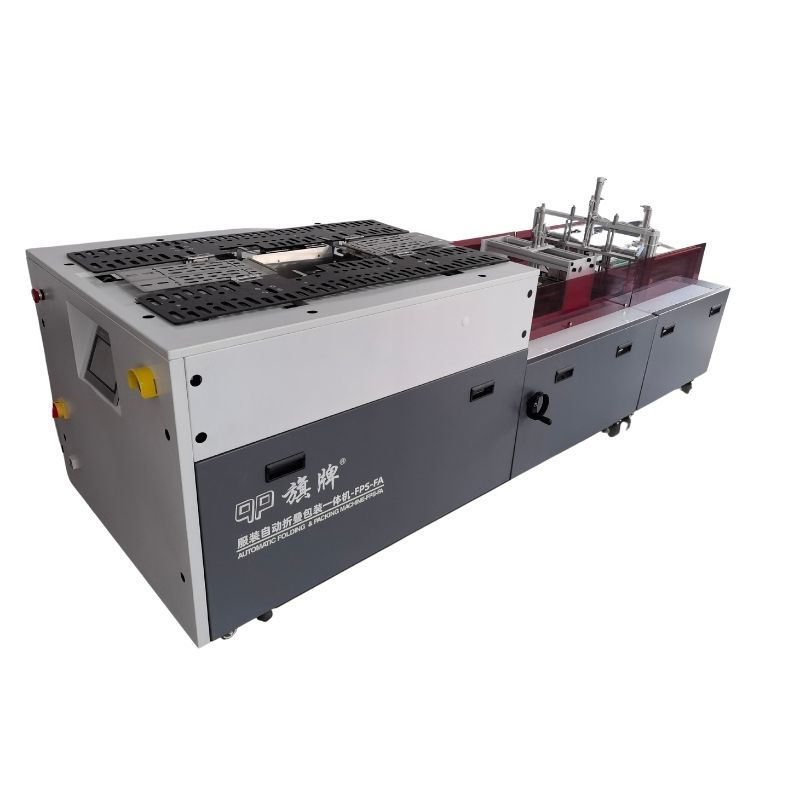
Garment folding machines utilize innovative technology to fold clothes efficiently and precisely. They eliminate the need for manual folding, reducing human errors and increasing productivity. These machines often employ a combination of mechanical arms, sensors, and automated folding techniques to achieve optimal results.
2.2 Types of Garment Folding Machines
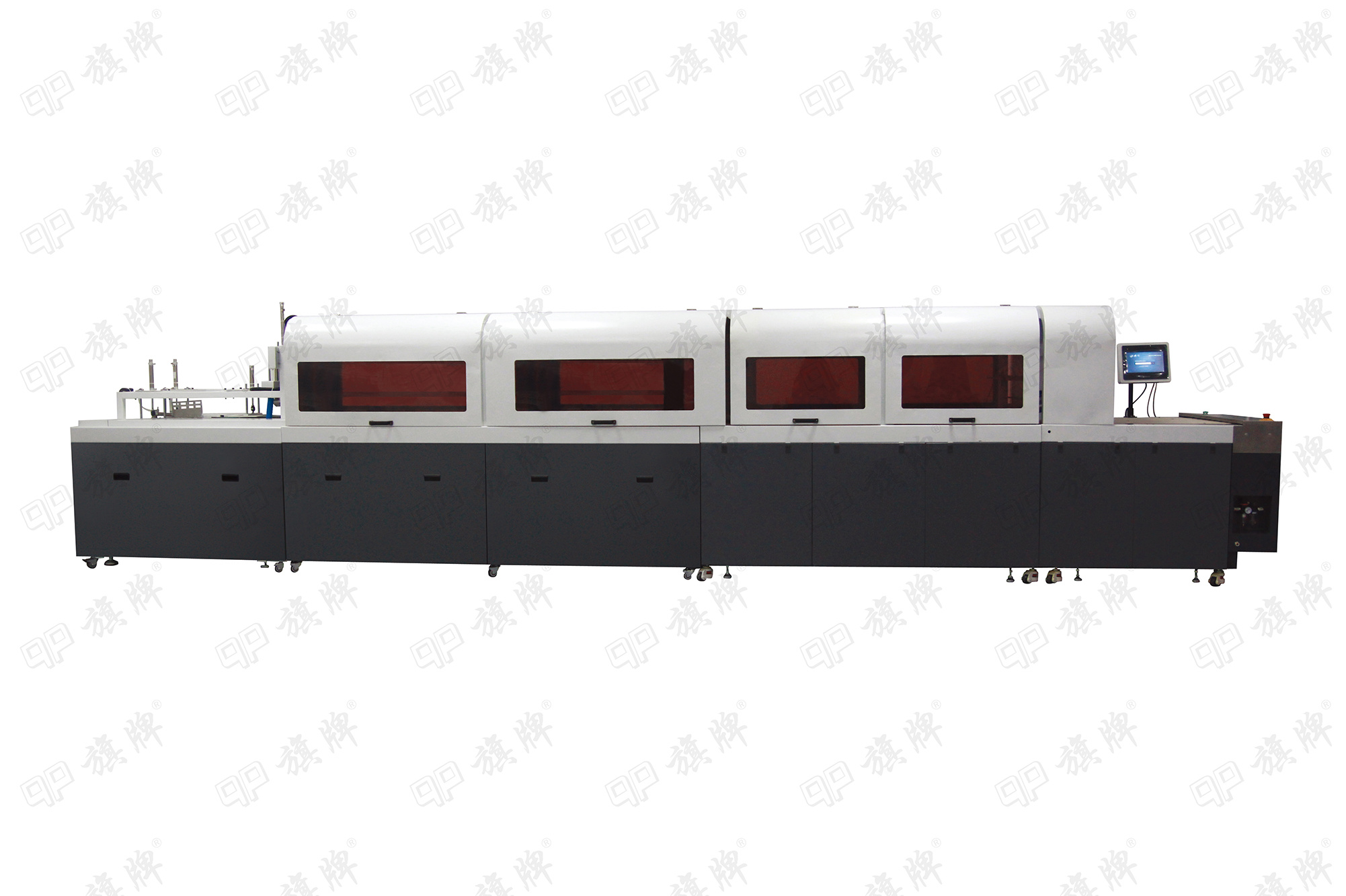
There are various types of garment folding machines available in the market, each designed to cater to specific needs. Some common types include tabletop folding machines, floor-standing folding machines, and automated folding systems. The choice depends on factors such as space availability, folding volume, and budget.
3. Benefits of Using Garment Folding Machines
3.1 Space Optimization
Garment folding machines help maximize space utilization by neatly folding clothes into consistent sizes. This allows for efficient stacking or storage, reducing the overall footprint required. Whether you have limited space in your laundry facility or a small retail store, these machines enable you to make the most of the available area.
3.2 Time Efficiency
Manual folding can be time-consuming, especially when dealing with a large volume of garments. Garment folding machines significantly reduce the time required for folding, enabling your staff to focus on other essential tasks. This time-saving benefit translates into increased operational efficiency and faster turnaround times.
3.3 Improved Workflow
By automating the folding process, garment folding machines contribute to a more streamlined workflow. The consistent and accurate folding achieved by these machines ensures that garments are ready for storage or display promptly. This enhances the overall efficiency of your operations, improving customer satisfaction and loyalty.
4. Factors to Consider When Choosing a Garment Folding Machine
4.1 Folding Capacity and Speed
Consider the folding capacity and speed of the machine based on your specific requirements. Evaluate the volume of garments you need to fold regularly and choose a machine that can handle that workload efficiently. Additionally, ensure that the folding speed aligns with your desired production output.
4.2 Fold Types and Adjustability
Different garments may require specific folding techniques. Look for a garment folding machine that offers adjustable fold types to accommodate various clothing items, such as shirts, pants, or towels. This flexibility ensures that you can fold a wide range of garments without compromising on quality.
4.3 Machine Size and Portability
Evaluate the available space in your facility or store to determine the appropriate size of the garment folding machine. Consider whether portability is essential for your operations, as some machines are designed to be easily moved or transported if needed. Opt for a machine that fits seamlessly into your existing setup.
4.4 Durability and Maintenance
Investing in a durable and low-maintenance garment folding machine is crucial for long-term cost-effectiveness. Look for machines made from high-quality materials that can withstand continuous use. Additionally, consider the maintenance requirements and availability of spare parts to ensure smooth operations.
5. FAQs about Garment Folding Machines
5.1 Are garment folding machines suitable for all types of fabrics?
Garment folding machines are designed to handle various fabrics, including cotton, polyester, and blends. However, it is essential to check the manufacturer's specifications to ensure compatibility with specific fabric types.
5.2 Can garment folding machines handle different garment sizes?
Most garment folding machines offer adjustable settings to accommodate different garment sizes. From small items like socks and underwear to larger items like jackets and bedsheets, these machines can handle a wide range of sizes effectively.
5.3 How long does it take to learn how to operate a garment folding machine?
The learning curve for garment folding machines is generally short, thanks to their user-friendly interfaces and intuitive controls. Depending on the complexity of the machine, operators can become proficient in a matter of hours or a few days.
5.4 Can garment folding machines be integrated with other laundry equipment?
Yes, many garment folding machines are designed to be compatible with other laundry equipment, such as washers, dryers, and conveyor systems. This integration allows for seamless automation and improved overall laundry efficiency.
5.5 What safety features should I look for in a garment folding machine?
When selecting a garment folding machine, prioritize safety features such as emergency stop buttons, safety sensors, and automatic shut-off mechanisms. These features help protect operators from potential accidents and ensure a safe working environment.
6. Conclusion: Enhance Efficiency and Space Optimization with Garment Folding Machines
Investing in garment folding machines can bring significant benefits to your laundry facility or clothing retail business. By maximizing space utilization, saving time, and improving workflow, these machines contribute to increased efficiency and customer satisfaction. Consider the factors discussed in this guide to choose the right garment folding machine that meets your specific needs and helps you stay ahead in a competitive market.
1. Introduction: The Importance of Efficient Garment Folding
2. Understanding Garment Folding Machines
2.1 How Do Garment Folding Machines Work?
2.2 Types of Garment Folding Machines
3. Benefits of Using Garment Folding Machines
3.1 Space Optimization
3.2 Time Efficiency
3.3 Improved Workflow
4. Factors to Consider When Choosing a Garment Folding Machine
4.1 Folding Capacity and Speed
4.2 Fold Types and Adjustability
4.3 Machine Size and Portability
4.4 Durability and Maintenance
5. FAQs about Garment Folding Machines
5.1 Are garment folding machines suitable for all types of fabrics?
5.2 Can garment folding machines handle different garment sizes?
5.3 How long does it take to learn how to operate a garment folding machine?
5.4 Can garment folding machines be integrated with other laundry equipment?
5.5 What safety features should I look for in a garment folding machine?
6. Conclusion: Enhance Efficiency and Space Optimization with Garment Folding Machines
1. Introduction: The Importance of Efficient Garment Folding
Efficient garment folding plays a crucial role in various industries, including laundry facilities, clothing retail, and hospitality. The ability to neatly fold garments not only maximizes space but also enhances presentation and creates a professional image. Garment folding machines offer a solution to streamline these tasks, providing numerous benefits to businesses.
2. Understanding Garment Folding Machines
2.1 How Do Garment Folding Machines Work?
Garment folding machines utilize innovative technology to fold clothes efficiently and precisely. They eliminate the need for manual folding, reducing human errors and increasing productivity. These machines often employ a combination of mechanical arms, sensors, and automated folding techniques to achieve optimal results.
2.2 Types of Garment Folding Machines
There are various types of garment folding machines available in the market, each designed to cater to specific needs. Some common types include tabletop folding machines, floor-standing folding machines, and automated folding systems. The choice depends on factors such as space availability, folding volume, and budget.
3. Benefits of Using Garment Folding Machines
3.1 Space Optimization
Garment folding machines help maximize space utilization by neatly folding clothes into consistent sizes. This allows for efficient stacking or storage, reducing the overall footprint required. Whether you have limited space in your laundry facility or a small retail store, these machines enable you to make the most of the available area.
3.2 Time Efficiency
Manual folding can be time-consuming, especially when dealing with a large volume of garments. Garment folding machines significantly reduce the time required for folding, enabling your staff to focus on other essential tasks. This time-saving benefit translates into increased operational efficiency and faster turnaround times.
3.3 Improved Workflow
By automating the folding process, garment folding machines contribute to a more streamlined workflow. The consistent and accurate folding achieved by these machines ensures that garments are ready for storage or display promptly. This enhances the overall efficiency of your operations, improving customer satisfaction and loyalty.
4. Factors to Consider When Choosing a Garment Folding Machine
4.1 Folding Capacity and Speed
Consider the folding capacity and speed of the machine based on your specific requirements. Evaluate the volume of garments you need to fold regularly and choose a machine that can handle that workload efficiently. Additionally, ensure that the folding speed aligns with your desired production output.
4.2 Fold Types and Adjustability
Different garments may require specific folding techniques. Look for a garment folding machine that offers adjustable fold types to accommodate various clothing items, such as shirts, pants, or towels. This flexibility ensures that you can fold a wide range of garments without compromising on quality.
4.3 Machine Size and Portability
Evaluate the available space in your facility or store to determine the appropriate size of the garment folding machine. Consider whether portability is essential for your operations, as some machines are designed to be easily moved or transported if needed. Opt for a machine that fits seamlessly into your existing setup.
4.4 Durability and Maintenance
Investing in a durable and low-maintenance garment folding machine is crucial for long-term cost-effectiveness. Look for machines made from high-quality materials that can withstand continuous use. Additionally, consider the maintenance requirements and availability of spare parts to ensure smooth operations.
5. FAQs about Garment Folding Machines
5.1 Are garment folding machines suitable for all types of fabrics?
Garment folding machines are designed to handle various fabrics, including cotton, polyester, and blends. However, it is essential to check the manufacturer's specifications to ensure compatibility with specific fabric types.
5.2 Can garment folding machines handle different garment sizes?
Most garment folding machines offer adjustable settings to accommodate different garment sizes. From small items like socks and underwear to larger items like jackets and bedsheets, these machines can handle a wide range of sizes effectively.
5.3 How long does it take to learn how to operate a garment folding machine?
The learning curve for garment folding machines is generally short, thanks to their user-friendly interfaces and intuitive controls. Depending on the complexity of the machine, operators can become proficient in a matter of hours or a few days.
5.4 Can garment folding machines be integrated with other laundry equipment?
Yes, many garment folding machines are designed to be compatible with other laundry equipment, such as washers, dryers, and conveyor systems. This integration allows for seamless automation and improved overall laundry efficiency.
5.5 What safety features should I look for in a garment folding machine?
When selecting a garment folding machine, prioritize safety features such as emergency stop buttons, safety sensors, and automatic shut-off mechanisms. These features help protect operators from potential accidents and ensure a safe working environment.
6. Conclusion: Enhance Efficiency and Space Optimization with Garment Folding Machines
Investing in garment folding machines can bring significant benefits to your laundry facility or clothing retail business. By maximizing space utilization, saving time, and improving workflow, these machines contribute to increased efficiency and customer satisfaction. Consider the factors discussed in this guide to choose the right garment folding machine that meets your specific needs and helps you stay ahead in a competitive market.


Overseas sales:0086015855150140
Domestic sales: 008618715414246
Customized needs: 008618756956623


Floor 3, Block D, Building 1, Yaohai City Science and Technology Industrial Park, No. 1 Baogong Avenue, Yaohai District, Hefei
Copyright © 2022 Huapu CNC Technology (Hefei) Co., Ltd., All Rights Reserved. www.300.cn SEO
 86-551-67892021

 在线留言
在线留言 