


language
English
العربية
বাংলাদেশ
Български
Hrvatski
Česky
Dansk
Nederland
 Esperanto
Slovenski
Filipino
Suomi
Français
Maori
 Shqiptare
Georgian
 Euskara
Deutsch
Ελλάδα
ישראל
इंडिया
Magyarország
Ísland
Indonesia
Irlanda
Italia
日本語
Sovensko
Հայաստան
한국
Kyrgyz
ປະເທດລາວ
 Zulu
Zulu
Latvian
Lithuanian
Luxembourgish
 Latinus
Macedonian
Малайская
Maltese
Монгол улс
 Cymraeg
ဗမာ
 தமிழ்
தமிழ்
नेपाल
Norge
ایران
Polska
Portugal
România
Российская
Србија
 Slovak
Србија
 Slovak
Bosanski
Slovenian
Беларус
España
Sverige
Точик
ประเทศไทย
Türk
Azərbaycan
Uzbek
 Afrikaans
Việt Nam
News
Streamline Your Packaging Process with Garment Folding Machines
2023-09-18
Table of Contents
1. Introduction: The Importance of Streamlining Your Packaging Process
2. What are Garment Folding Machines?
3. How Garment Folding Machines Work
4. Benefits of Using Garment Folding Machines
4.1 Increased Efficiency and Productivity
4.2 Cost Savings and Return on Investment
4.3 Consistent Fold Quality
4.4 Reduced Labor Requirements
5. Key Considerations When Choosing a Garment Folding Machine
5.1 Folding Capacity and Speed
5.2 Fold Types and Adjustability
5.3 Machine Size and Space Requirements
5.4 Maintenance and Support
6. Integrating Garment Folding Machines into Your Packaging Process
6.1 Assessing Your Packaging Needs
6.2 Selecting the Right Machine
6.3 Training and Transitioning
6.4 Monitoring and Optimization
7. Frequently Asked Questions (FAQs)
7.1 Can garment folding machines handle different types of fabrics?
7.2 How long does it take to set up and calibrate a garment folding machine?
7.3 Can garment folding machines fold garments of various sizes?
7.4 Are garment folding machines easy to maintain?
7.5 Can garment folding machines be customized to meet specific requirements?
8. Conclusion: Unlocking the Potential of Garment Folding Machines
1. Introduction: The Importance of Streamlining Your Packaging Process
In today's fast-paced business environment, optimizing your packaging process is crucial for staying competitive. The way you present your products to customers can significantly impact their perception of your brand. By streamlining your packaging process, you can enhance efficiency, reduce costs, and deliver a superior customer experience. One transformative solution to achieve these goals is integrating garment folding machines into your production line.
2. What are Garment Folding Machines?
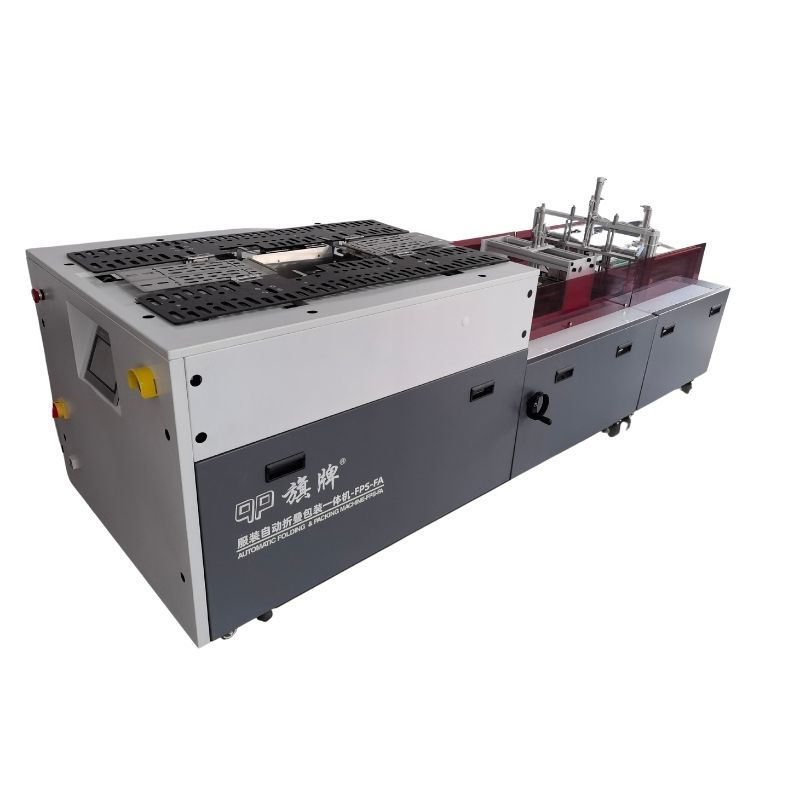
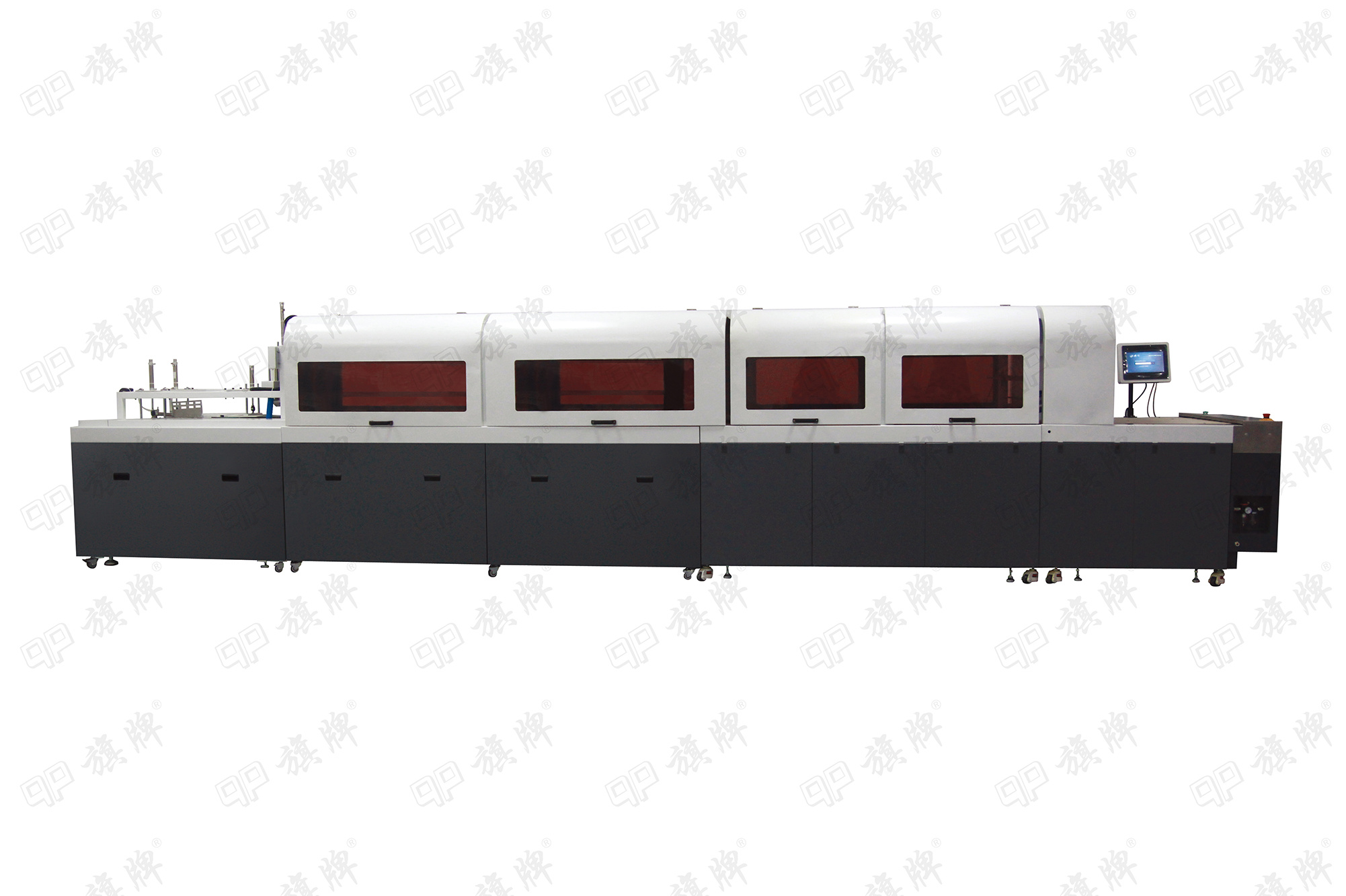
Garment folding machines are specialized equipment designed to automatically fold garments, such as shirts, pants, and dresses, with precision and consistency. These machines use advanced algorithms and mechanical mechanisms to achieve accurate folds, eliminating the need for manual folding by employees. With customizable fold types and adjustable settings, garment folding machines can handle various fabric types and sizes.
3. How Garment Folding Machines Work
Garment folding machines utilize a combination of sensors, actuators, and folding mechanisms to automate the folding process. When a garment is placed on the machine, sensors detect its size and shape, allowing the machine to adjust the folding mechanism accordingly. Actuators then fold the garment along predefined lines, ensuring a neat and uniform fold. The entire process is controlled through a user-friendly interface, making it easy to operate and monitor.
4. Benefits of Using Garment Folding Machines
4.1 Increased Efficiency and Productivity
By automating the folding process, garment folding machines significantly accelerate production speed. They can fold garments at a much faster rate than manual labor, enabling you to meet demanding deadlines and increase overall productivity. With streamlined operations, you can effectively handle high order volumes without compromising on quality.
4.2 Cost Savings and Return on Investment
Investing in garment folding machines can yield substantial cost savings in the long run. By reducing the need for manual labor, you can allocate resources to other areas of your business, improving overall efficiency. Additionally, the time saved through automation translates into quicker order fulfillment and shorter lead times, resulting in higher customer satisfaction and potential repeat business.
4.3 Consistent Fold Quality
One of the most significant advantages of garment folding machines is their ability to consistently produce high-quality folds. Manual folding often leads to variations in fold size, alignment, and overall appearance, which can negatively impact the customer experience. With garment folding machines, every fold is precise and uniform, ensuring a professional finish that reflects positively on your brand.
4.4 Reduced Labor Requirements
Labor costs can be a significant portion of your packaging expenses. By automating the folding process, garment folding machines eliminate the need for extensive manual labor. This reduces labor costs, minimizes the risk of human errors, and frees up your employees to focus on more value-added tasks. The result is a leaner, more efficient packaging process.
5. Key Considerations When Choosing a Garment Folding Machine
Selecting the right garment folding machine for your business requires careful consideration of various factors. Here are some essential aspects to evaluate:
5.1 Folding Capacity and Speed
Consider the volume of garments you need to fold regularly and choose a machine with a folding capacity that aligns with your requirements. Additionally, the speed at which the machine can fold garments should meet your production demands without causing bottlenecks.
5.2 Fold Types and Adjustability
Different garments may require specific fold types. Ensure that the machine you choose can handle the fold types you need and offers adjustable settings to accommodate different fabric types and sizes.
5.3 Machine Size and Space Requirements
Evaluate the available space in your production area and choose a garment folding machine that fits comfortably within your layout. Consider the machine's dimensions and any additional space needed for loading and unloading garments.
5.4 Maintenance and Support
Ensure that the manufacturer or supplier of the garment folding machine offers reliable maintenance and technical support. Regular servicing and prompt troubleshooting are essential to keep your machine in optimal working condition and minimize downtime.
6. Integrating Garment Folding Machines into Your Packaging Process
To successfully integrate garment folding machines into your packaging process, follow these steps:
6.1 Assessing Your Packaging Needs
Evaluate your current packaging process and identify pain points or areas where automation can bring significant improvements. Consider factors such as order volume, labor costs, quality control, and customer satisfaction.
6.2 Selecting the Right Machine
Based on your assessment, research and choose a garment folding machine that aligns with your requirements, budget, and long-term goals. Consider factors such as folding capacity, fold types, adjustability, and technical support.
6.3 Training and Transitioning
Ensure that your employees receive proper training on operating and maintaining the garment folding machine. Smoothly transition from manual folding to automation by gradually integrating the machine into your production line. Monitor the process closely and address any challenges promptly.
6.4 Monitoring and Optimization
Regularly evaluate the performance of your garment folding machine and monitor key metrics such as productivity, fold quality, and downtime. Use this data to identify areas for improvement and optimize your packaging process further.
7. Frequently Asked Questions (FAQs)
7.1 Can garment folding machines handle different types of fabrics?
Yes, garment folding machines are designed to handle various fabric types, including cotton, polyester, silk, and more. Adjustable settings allow you to customize the folding process based on the specific fabric properties.
7.2 How long does it take to set up and calibrate a garment folding machine?
The setup and calibration time of a garment folding machine can vary depending on the model and complexity. Generally, it takes a few hours to set up and calibrate the machine correctly. However, the process may require additional time for training employees and fine-tuning settings.
7.3 Can garment folding machines fold garments of various sizes?
Yes, garment folding machines are designed to accommodate garments of different sizes. The machines use sensors to detect the dimensions of the garment and adjust the folding mechanism accordingly.
7.4 Are garment folding machines easy to maintain?
Garment folding machines are generally designed for easy maintenance. Regular cleaning, lubrication, and minor adjustments are necessary to keep the machine running smoothly. Manufacturers or suppliers usually provide guidelines and support for maintenance.
7.5 Can garment folding machines be customized to meet specific requirements?
Yes, some garment folding machines offer customization options to meet specific requirements. This may include additional fold types, specialized settings for unique fabric types, or integration with other packaging processes.
8. Conclusion: Unlocking the Potential of Garment Folding Machines
Garment folding machines offer significant advantages in streamlining your packaging process. By automating the folding of garments, you can enhance efficiency, reduce costs, and deliver consistent fold quality. Consider the key factors when choosing a garment folding machine and ensure a smooth integration into your production line. Embrace this innovative technology to stay ahead of the competition and unlock the potential of your packaging process.
1. Introduction: The Importance of Streamlining Your Packaging Process
2. What are Garment Folding Machines?
3. How Garment Folding Machines Work
4. Benefits of Using Garment Folding Machines
4.1 Increased Efficiency and Productivity
4.2 Cost Savings and Return on Investment
4.3 Consistent Fold Quality
4.4 Reduced Labor Requirements
5. Key Considerations When Choosing a Garment Folding Machine
5.1 Folding Capacity and Speed
5.2 Fold Types and Adjustability
5.3 Machine Size and Space Requirements
5.4 Maintenance and Support
6. Integrating Garment Folding Machines into Your Packaging Process
6.1 Assessing Your Packaging Needs
6.2 Selecting the Right Machine
6.3 Training and Transitioning
6.4 Monitoring and Optimization
7. Frequently Asked Questions (FAQs)
7.1 Can garment folding machines handle different types of fabrics?
7.2 How long does it take to set up and calibrate a garment folding machine?
7.3 Can garment folding machines fold garments of various sizes?
7.4 Are garment folding machines easy to maintain?
7.5 Can garment folding machines be customized to meet specific requirements?
8. Conclusion: Unlocking the Potential of Garment Folding Machines
1. Introduction: The Importance of Streamlining Your Packaging Process
In today's fast-paced business environment, optimizing your packaging process is crucial for staying competitive. The way you present your products to customers can significantly impact their perception of your brand. By streamlining your packaging process, you can enhance efficiency, reduce costs, and deliver a superior customer experience. One transformative solution to achieve these goals is integrating garment folding machines into your production line.
2. What are Garment Folding Machines?
Garment folding machines are specialized equipment designed to automatically fold garments, such as shirts, pants, and dresses, with precision and consistency. These machines use advanced algorithms and mechanical mechanisms to achieve accurate folds, eliminating the need for manual folding by employees. With customizable fold types and adjustable settings, garment folding machines can handle various fabric types and sizes.
3. How Garment Folding Machines Work
Garment folding machines utilize a combination of sensors, actuators, and folding mechanisms to automate the folding process. When a garment is placed on the machine, sensors detect its size and shape, allowing the machine to adjust the folding mechanism accordingly. Actuators then fold the garment along predefined lines, ensuring a neat and uniform fold. The entire process is controlled through a user-friendly interface, making it easy to operate and monitor.
4. Benefits of Using Garment Folding Machines
4.1 Increased Efficiency and Productivity
By automating the folding process, garment folding machines significantly accelerate production speed. They can fold garments at a much faster rate than manual labor, enabling you to meet demanding deadlines and increase overall productivity. With streamlined operations, you can effectively handle high order volumes without compromising on quality.
4.2 Cost Savings and Return on Investment
Investing in garment folding machines can yield substantial cost savings in the long run. By reducing the need for manual labor, you can allocate resources to other areas of your business, improving overall efficiency. Additionally, the time saved through automation translates into quicker order fulfillment and shorter lead times, resulting in higher customer satisfaction and potential repeat business.
4.3 Consistent Fold Quality
One of the most significant advantages of garment folding machines is their ability to consistently produce high-quality folds. Manual folding often leads to variations in fold size, alignment, and overall appearance, which can negatively impact the customer experience. With garment folding machines, every fold is precise and uniform, ensuring a professional finish that reflects positively on your brand.
4.4 Reduced Labor Requirements
Labor costs can be a significant portion of your packaging expenses. By automating the folding process, garment folding machines eliminate the need for extensive manual labor. This reduces labor costs, minimizes the risk of human errors, and frees up your employees to focus on more value-added tasks. The result is a leaner, more efficient packaging process.
5. Key Considerations When Choosing a Garment Folding Machine
Selecting the right garment folding machine for your business requires careful consideration of various factors. Here are some essential aspects to evaluate:
5.1 Folding Capacity and Speed
Consider the volume of garments you need to fold regularly and choose a machine with a folding capacity that aligns with your requirements. Additionally, the speed at which the machine can fold garments should meet your production demands without causing bottlenecks.
5.2 Fold Types and Adjustability
Different garments may require specific fold types. Ensure that the machine you choose can handle the fold types you need and offers adjustable settings to accommodate different fabric types and sizes.
5.3 Machine Size and Space Requirements
Evaluate the available space in your production area and choose a garment folding machine that fits comfortably within your layout. Consider the machine's dimensions and any additional space needed for loading and unloading garments.
5.4 Maintenance and Support
Ensure that the manufacturer or supplier of the garment folding machine offers reliable maintenance and technical support. Regular servicing and prompt troubleshooting are essential to keep your machine in optimal working condition and minimize downtime.
6. Integrating Garment Folding Machines into Your Packaging Process
To successfully integrate garment folding machines into your packaging process, follow these steps:
6.1 Assessing Your Packaging Needs
Evaluate your current packaging process and identify pain points or areas where automation can bring significant improvements. Consider factors such as order volume, labor costs, quality control, and customer satisfaction.
6.2 Selecting the Right Machine
Based on your assessment, research and choose a garment folding machine that aligns with your requirements, budget, and long-term goals. Consider factors such as folding capacity, fold types, adjustability, and technical support.
6.3 Training and Transitioning
Ensure that your employees receive proper training on operating and maintaining the garment folding machine. Smoothly transition from manual folding to automation by gradually integrating the machine into your production line. Monitor the process closely and address any challenges promptly.
6.4 Monitoring and Optimization
Regularly evaluate the performance of your garment folding machine and monitor key metrics such as productivity, fold quality, and downtime. Use this data to identify areas for improvement and optimize your packaging process further.
7. Frequently Asked Questions (FAQs)
7.1 Can garment folding machines handle different types of fabrics?
Yes, garment folding machines are designed to handle various fabric types, including cotton, polyester, silk, and more. Adjustable settings allow you to customize the folding process based on the specific fabric properties.
7.2 How long does it take to set up and calibrate a garment folding machine?
The setup and calibration time of a garment folding machine can vary depending on the model and complexity. Generally, it takes a few hours to set up and calibrate the machine correctly. However, the process may require additional time for training employees and fine-tuning settings.
7.3 Can garment folding machines fold garments of various sizes?
Yes, garment folding machines are designed to accommodate garments of different sizes. The machines use sensors to detect the dimensions of the garment and adjust the folding mechanism accordingly.
7.4 Are garment folding machines easy to maintain?
Garment folding machines are generally designed for easy maintenance. Regular cleaning, lubrication, and minor adjustments are necessary to keep the machine running smoothly. Manufacturers or suppliers usually provide guidelines and support for maintenance.
7.5 Can garment folding machines be customized to meet specific requirements?
Yes, some garment folding machines offer customization options to meet specific requirements. This may include additional fold types, specialized settings for unique fabric types, or integration with other packaging processes.
8. Conclusion: Unlocking the Potential of Garment Folding Machines
Garment folding machines offer significant advantages in streamlining your packaging process. By automating the folding of garments, you can enhance efficiency, reduce costs, and deliver consistent fold quality. Consider the key factors when choosing a garment folding machine and ensure a smooth integration into your production line. Embrace this innovative technology to stay ahead of the competition and unlock the potential of your packaging process.


Overseas sales:0086015855150140
Domestic sales: 008618715414246
Customized needs: 008618756956623


Floor 3, Block D, Building 1, Yaohai City Science and Technology Industrial Park, No. 1 Baogong Avenue, Yaohai District, Hefei
Copyright © 2022 Huapu CNC Technology (Hefei) Co., Ltd., All Rights Reserved. www.300.cn SEO
 86-551-67892021

 在线留言
在线留言 