


language
English
العربية
বাংলাদেশ
Български
Hrvatski
Česky
Dansk
Nederland
 Esperanto
Slovenski
Filipino
Suomi
Français
Maori
 Shqiptare
Georgian
 Euskara
Deutsch
Ελλάδα
ישראל
इंडिया
Magyarország
Ísland
Indonesia
Irlanda
Italia
日本語
Sovensko
Հայաստան
한국
Kyrgyz
ປະເທດລາວ
 Zulu
Zulu
Latvian
Lithuanian
Luxembourgish
 Latinus
Macedonian
Малайская
Maltese
Монгол улс
 Cymraeg
ဗမာ
 தமிழ்
தமிழ்
नेपाल
Norge
ایران
Polska
Portugal
România
Российская
Србија
 Slovak
Србија
 Slovak
Bosanski
Slovenian
Беларус
España
Sverige
Точик
ประเทศไทย
Türk
Azərbaycan
Uzbek
 Afrikaans
Việt Nam
News
The Ultimate Guide to Garment Folding Machines: Everything You Need to Know
2023-08-11
Table of Contents:
1. Introduction
2. Why Garment Folding Machines are Essential for Efficiency
3. Types of Garment Folding Machines
3.1 Manual Folding Machines
3.2 Semi-Automatic Folding Machines
3.3 Fully Automatic Folding Machines
4. Key Features to Consider When Choosing a Garment Folding Machine
5. Benefits of Using Garment Folding Machines
6. How to Properly Use a Garment Folding Machine
7. FAQs about Garment Folding Machines
7.1 What is the maximum folding capacity of a garment folding machine?
7.2 Can garment folding machines handle different fabric types?
7.3 Are garment folding machines easy to maintain?
7.4 Can garment folding machines be customized for specific folding patterns?
7.5 Can garment folding machines be integrated with other textile machinery?
8. Conclusion
In today's fast-paced world, efficiency is crucial in every industry, and the garment manufacturing industry is no exception. Garment folding machines have revolutionized the way clothes are folded, providing speed, accuracy, and consistency. This ultimate guide aims to enlighten you about these remarkable machines, enabling you to understand their significance and make informed decisions when considering a purchase.
Efficiency is the backbone of any garment manufacturing or retail business. Manual folding can be time-consuming, labor-intensive, and prone to errors. Garment folding machines eliminate these challenges by automating the folding process. They not only save time but also ensure consistent and precise folding, resulting in well-presented garments ready for distribution or display.
There are three main types of garment folding machines available in the market. Each type caters to specific needs, budgets, and production requirements.
Manual folding machines are the most basic type and are suitable for small-scale operations or starting businesses. They require human intervention to fold the garments, but they still provide a significant improvement over manual folding. These machines are cost-effective and ideal for businesses with limited budgets.
Semi-automatic folding machines combine human intervention with automation. They require operators to feed the garments into the machine, which then takes over the folding process. These machines offer higher folding speeds and enhanced accuracy compared to manual machines. They are suitable for medium-sized garment manufacturers or retail stores with moderate folding needs.
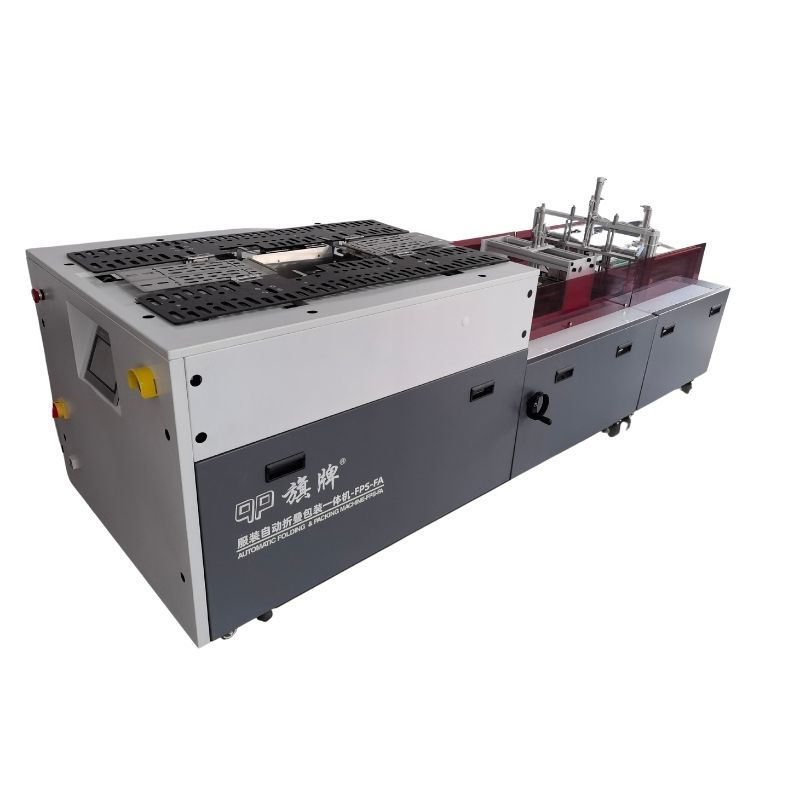
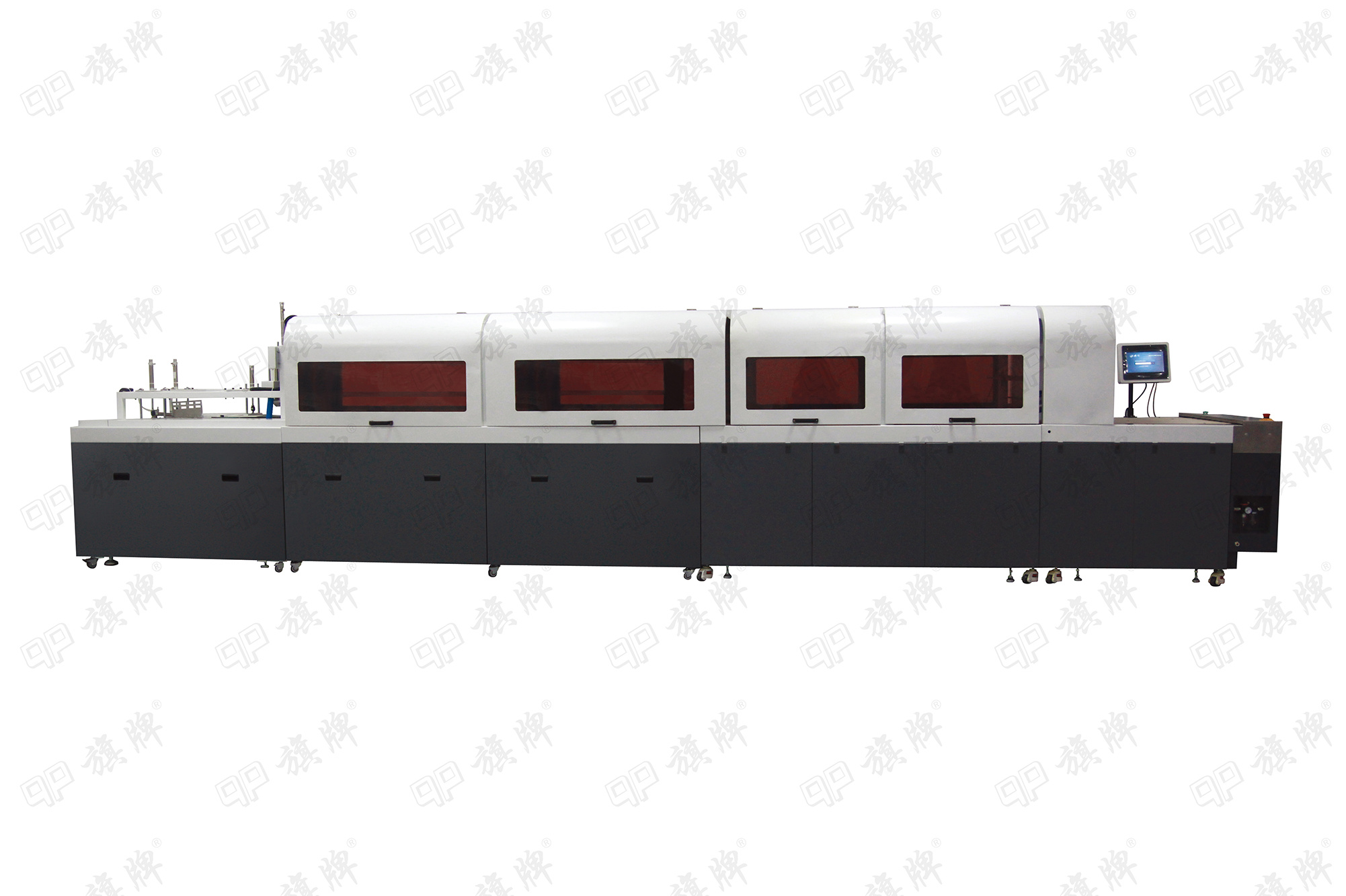
Fully automatic folding machines are the pinnacle of garment folding technology. These machines require minimal human intervention and can fold garments at a remarkable speed. They are equipped with advanced sensors, precision folding mechanisms, and customizable features. Fully automatic folding machines are ideal for large-scale garment manufacturers or retail stores with high folding demands.
When selecting a garment folding machine, several key features need to be considered to ensure optimal performance and suitability for your specific requirements. These features include folding speed, folding patterns, folding capacity, ease of use, maintenance requirements, and customization options. Evaluating these features will help you make an informed decision and choose a machine that aligns with your business needs.
Using garment folding machines offers numerous benefits to garment manufacturers and retail stores. Some of the key advantages include increased productivity, improved folding quality, reduced labor costs, enhanced garment presentation, minimized folding errors, and optimized space utilization. These machines are designed to streamline operations and provide a competitive edge in the industry.
To maximize the efficiency and longevity of your garment folding machine, it is crucial to understand its operation and follow proper usage guidelines. This section will provide a step-by-step guide on how to use a garment folding machine, ensuring optimal results and minimizing the risk of damage.
Garment folding machines come with different folding capacities, ranging from a few garments per minute to hundreds. The maximum folding capacity depends on the machine's type, size, and specifications. It is essential to evaluate your folding needs and choose a machine that can handle your desired volume efficiently.
Yes, garment folding machines are designed to handle various fabric types, including cotton, polyester, silk, and more. However, it is crucial to ensure that the machine you choose is compatible with the specific fabrics you work with to avoid any damage or subpar folding results.
Garment folding machines are designed with ease of maintenance in mind. Regular cleaning, lubrication, and inspection of crucial components are necessary to ensure smooth operation and longevity. Manufacturers often provide maintenance guidelines, and it is advisable to follow them diligently to keep your machine in optimal condition.
Yes, many garment folding machines offer customization options for folding patterns. These machines can be programmed to fold garments in various ways, accommodating different folding requirements or specific customer preferences. Customization can significantly enhance the versatility and adaptability of the machine.
Yes, garment folding machines can be integrated into a larger textile production line or automated system. Integration allows for seamless material flow and increased overall efficiency. It is essential to consult with the machine manufacturer or an expert to ensure proper integration and compatibility with your existing setup.
In conclusion, garment folding machines play a vital role in enhancing efficiency, productivity, and quality in the garment manufacturing and retail industry. By automating the folding process, these machines save time, reduce labor costs, and ensure consistent folding results. Understanding the different types, key features, and benefits of garment folding machines empowers businesses to make informed decisions and stay ahead in a competitive market. Invest in a suitable garment folding machine, and experience the transformative impact it can have on your operations.
1. Introduction
2. Why Garment Folding Machines are Essential for Efficiency
3. Types of Garment Folding Machines
3.1 Manual Folding Machines
3.2 Semi-Automatic Folding Machines
3.3 Fully Automatic Folding Machines
4. Key Features to Consider When Choosing a Garment Folding Machine
5. Benefits of Using Garment Folding Machines
6. How to Properly Use a Garment Folding Machine
7. FAQs about Garment Folding Machines
7.1 What is the maximum folding capacity of a garment folding machine?
7.2 Can garment folding machines handle different fabric types?
7.3 Are garment folding machines easy to maintain?
7.4 Can garment folding machines be customized for specific folding patterns?
7.5 Can garment folding machines be integrated with other textile machinery?
8. Conclusion
Introduction
In today's fast-paced world, efficiency is crucial in every industry, and the garment manufacturing industry is no exception. Garment folding machines have revolutionized the way clothes are folded, providing speed, accuracy, and consistency. This ultimate guide aims to enlighten you about these remarkable machines, enabling you to understand their significance and make informed decisions when considering a purchase.
Why Garment Folding Machines are Essential for Efficiency
Efficiency is the backbone of any garment manufacturing or retail business. Manual folding can be time-consuming, labor-intensive, and prone to errors. Garment folding machines eliminate these challenges by automating the folding process. They not only save time but also ensure consistent and precise folding, resulting in well-presented garments ready for distribution or display.
Types of Garment Folding Machines
There are three main types of garment folding machines available in the market. Each type caters to specific needs, budgets, and production requirements.
3.1 Manual Folding Machines
Manual folding machines are the most basic type and are suitable for small-scale operations or starting businesses. They require human intervention to fold the garments, but they still provide a significant improvement over manual folding. These machines are cost-effective and ideal for businesses with limited budgets.
3.2 Semi-Automatic Folding Machines
Semi-automatic folding machines combine human intervention with automation. They require operators to feed the garments into the machine, which then takes over the folding process. These machines offer higher folding speeds and enhanced accuracy compared to manual machines. They are suitable for medium-sized garment manufacturers or retail stores with moderate folding needs.
3.3 Fully Automatic Folding Machines
Fully automatic folding machines are the pinnacle of garment folding technology. These machines require minimal human intervention and can fold garments at a remarkable speed. They are equipped with advanced sensors, precision folding mechanisms, and customizable features. Fully automatic folding machines are ideal for large-scale garment manufacturers or retail stores with high folding demands.
Key Features to Consider When Choosing a Garment Folding Machine
When selecting a garment folding machine, several key features need to be considered to ensure optimal performance and suitability for your specific requirements. These features include folding speed, folding patterns, folding capacity, ease of use, maintenance requirements, and customization options. Evaluating these features will help you make an informed decision and choose a machine that aligns with your business needs.
Benefits of Using Garment Folding Machines
Using garment folding machines offers numerous benefits to garment manufacturers and retail stores. Some of the key advantages include increased productivity, improved folding quality, reduced labor costs, enhanced garment presentation, minimized folding errors, and optimized space utilization. These machines are designed to streamline operations and provide a competitive edge in the industry.
How to Properly Use a Garment Folding Machine
To maximize the efficiency and longevity of your garment folding machine, it is crucial to understand its operation and follow proper usage guidelines. This section will provide a step-by-step guide on how to use a garment folding machine, ensuring optimal results and minimizing the risk of damage.
FAQs about Garment Folding Machines
7.1 What is the maximum folding capacity of a garment folding machine?
Garment folding machines come with different folding capacities, ranging from a few garments per minute to hundreds. The maximum folding capacity depends on the machine's type, size, and specifications. It is essential to evaluate your folding needs and choose a machine that can handle your desired volume efficiently.
7.2 Can garment folding machines handle different fabric types?
Yes, garment folding machines are designed to handle various fabric types, including cotton, polyester, silk, and more. However, it is crucial to ensure that the machine you choose is compatible with the specific fabrics you work with to avoid any damage or subpar folding results.
7.3 Are garment folding machines easy to maintain?
Garment folding machines are designed with ease of maintenance in mind. Regular cleaning, lubrication, and inspection of crucial components are necessary to ensure smooth operation and longevity. Manufacturers often provide maintenance guidelines, and it is advisable to follow them diligently to keep your machine in optimal condition.
7.4 Can garment folding machines be customized for specific folding patterns?
Yes, many garment folding machines offer customization options for folding patterns. These machines can be programmed to fold garments in various ways, accommodating different folding requirements or specific customer preferences. Customization can significantly enhance the versatility and adaptability of the machine.
7.5 Can garment folding machines be integrated with other textile machinery?
Yes, garment folding machines can be integrated into a larger textile production line or automated system. Integration allows for seamless material flow and increased overall efficiency. It is essential to consult with the machine manufacturer or an expert to ensure proper integration and compatibility with your existing setup.
Conclusion
In conclusion, garment folding machines play a vital role in enhancing efficiency, productivity, and quality in the garment manufacturing and retail industry. By automating the folding process, these machines save time, reduce labor costs, and ensure consistent folding results. Understanding the different types, key features, and benefits of garment folding machines empowers businesses to make informed decisions and stay ahead in a competitive market. Invest in a suitable garment folding machine, and experience the transformative impact it can have on your operations.


Overseas sales:0086015855150140
Domestic sales: 008618715414246
Customized needs: 008618756956623


Floor 3, Block D, Building 1, Yaohai City Science and Technology Industrial Park, No. 1 Baogong Avenue, Yaohai District, Hefei
Copyright © 2022 Huapu CNC Technology (Hefei) Co., Ltd., All Rights Reserved. www.300.cn SEO
 86-551-67892021

 在线留言
在线留言 