


language
English
العربية
বাংলাদেশ
Български
Hrvatski
Česky
Dansk
Nederland
 Esperanto
Slovenski
Filipino
Suomi
Français
Maori
 Shqiptare
Georgian
 Euskara
Deutsch
Ελλάδα
ישראל
इंडिया
Magyarország
Ísland
Indonesia
Irlanda
Italia
日本語
Sovensko
Հայաստան
한국
Kyrgyz
ປະເທດລາວ
 Zulu
Zulu
Latvian
Lithuanian
Luxembourgish
 Latinus
Macedonian
Малайская
Maltese
Монгол улс
 Cymraeg
ဗမာ
 தமிழ்
தமிழ்
नेपाल
Norge
ایران
Polska
Portugal
România
Российская
Србија
 Slovak
Србија
 Slovak
Bosanski
Slovenian
Беларус
España
Sverige
Точик
ประเทศไทย
Türk
Azərbaycan
Uzbek
 Afrikaans
Việt Nam
News
The Benefits and Function of a Garment Folding Machine in the Manufacturing Industry
2023-08-08
Introduction:
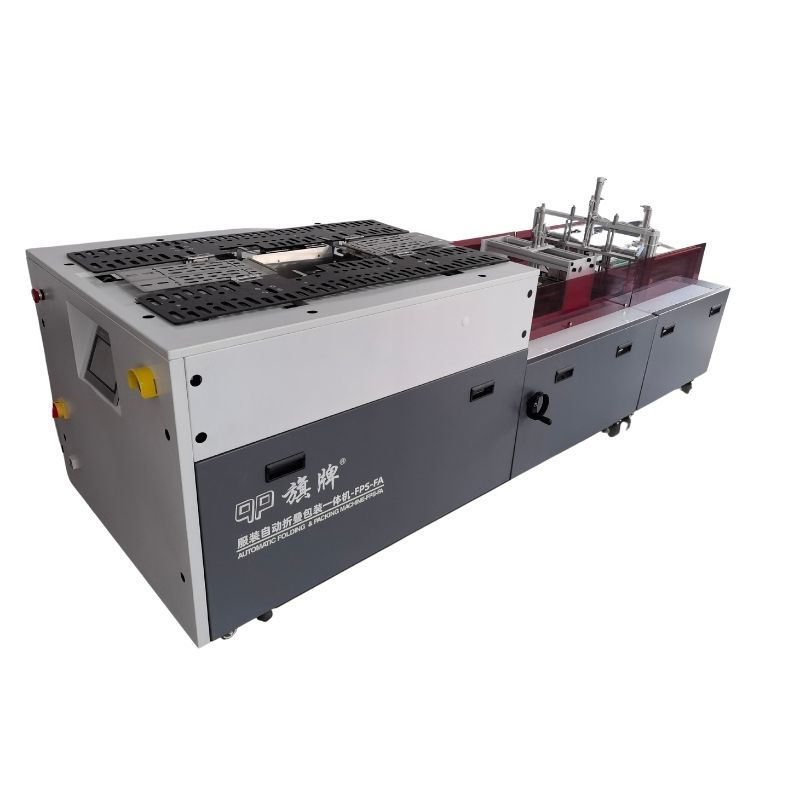
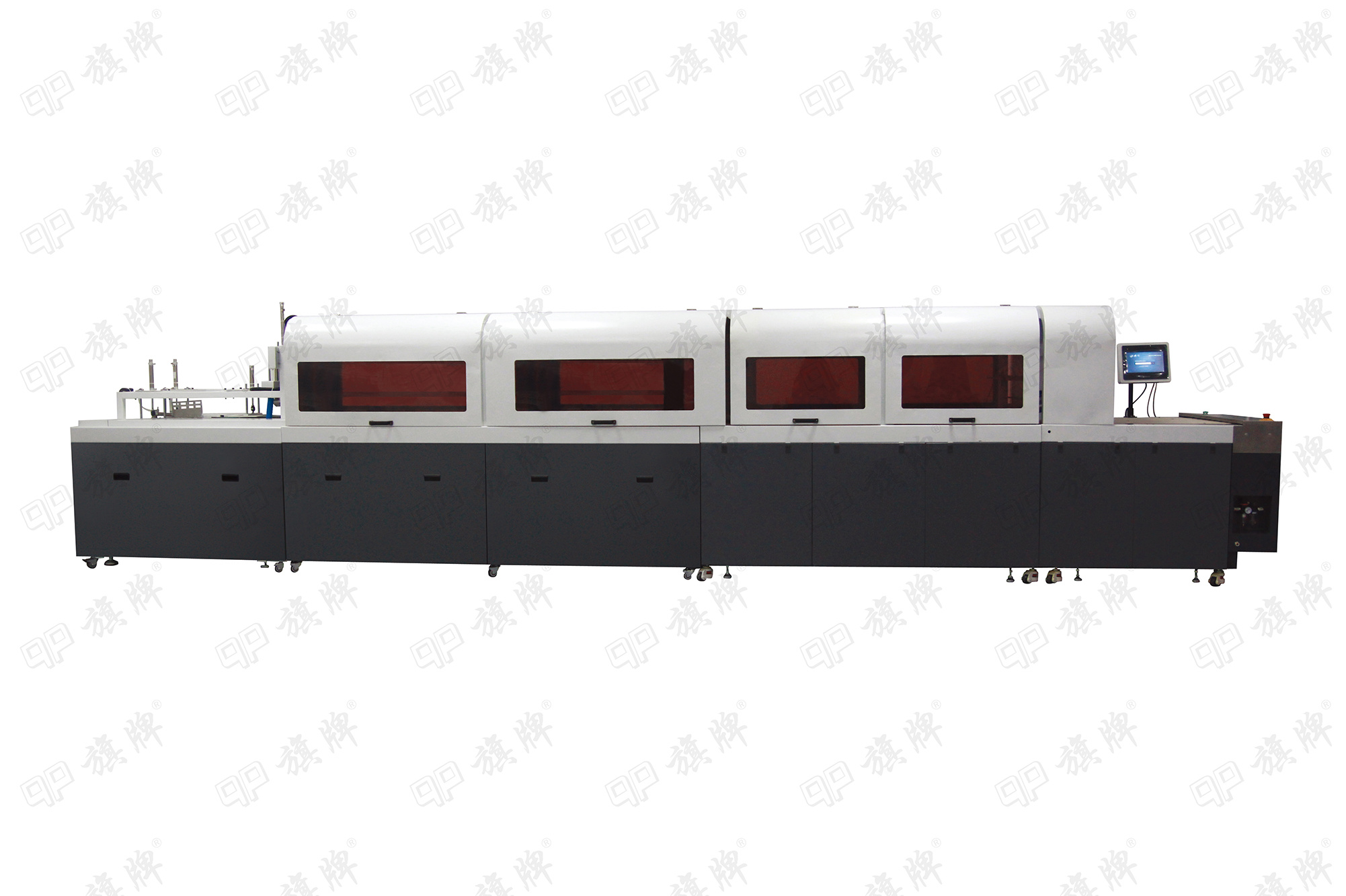
In the manufacturing and packaging machinery industry, garment folding machines play a crucial role in optimizing production processes. These devices are designed to efficiently fold various types of garments, ensuring a neat and uniform appearance. Let's explore the benefits and functions of garment folding machines in detail.
1. Increased Efficiency:
Garment folding machines significantly enhance productivity by automating the folding process. With their advanced mechanisms, these machines can fold a large number of garments in a short period, saving valuable time and effort. By reducing manual labor, manufacturers can allocate their resources to more critical tasks, ultimately improving overall efficiency.
2. Consistent Folding:
One of the primary advantages of garment folding machines is the ability to achieve consistent folds. Regardless of the fabric type or garment size, these machines ensure uniformity in folding, resulting in a professional and aesthetically pleasing finish. This consistency is crucial in industries such as retail, where folded garments need to be visually appealing and ready for display.
3. Space Optimization:
Garment folding machines are specifically designed to occupy minimal space while offering maximum functionality. They are compact and can be easily integrated into existing production lines or workspaces. This space-saving design enables manufacturers to utilize their available area efficiently, enhancing the overall layout and workflow of the manufacturing facility.
4. Gentle Handling of Fabrics:
Manual folding of delicate or sensitive fabrics can sometimes lead to damage or creasing. Garment folding machines address this issue by implementing gentle folding techniques. These machines are equipped with features such as adjustable folding parameters and precision folding mechanisms, ensuring that fabrics are handled carefully and maintaining their quality throughout the folding process.
5. Customizable Folding Styles:
Different garments may require specific folding styles based on their design and packaging requirements. Garment folding machines offer customizable folding options, allowing manufacturers to adapt to varying folding styles effortlessly. This versatility ensures that each garment receives the appropriate fold, tailored to its specific needs.
6. Quality Control:
Garment folding machines contribute to maintaining consistent quality control standards. These machines can be programmed to perform quality checks during the folding process, verifying factors such as fold accuracy and symmetry. By automating quality control procedures, manufacturers can reduce human error and ensure that only properly folded garments proceed further in the production line.
Conclusion:
In the fast-paced manufacturing industry, garment folding machines are essential tools that enhance efficiency, optimize space, and maintain the quality of folded garments. With their ability to automate the folding process and provide consistent results, these machines play a vital role in ensuring that garments are neatly folded, ready for packaging, and visually appealing. Embracing the benefits of garment folding machines can undoubtedly streamline production processes and improve overall productivity in the manufacturing and packaging machinery sector.
In the manufacturing and packaging machinery industry, garment folding machines play a crucial role in optimizing production processes. These devices are designed to efficiently fold various types of garments, ensuring a neat and uniform appearance. Let's explore the benefits and functions of garment folding machines in detail.
1. Increased Efficiency:
Garment folding machines significantly enhance productivity by automating the folding process. With their advanced mechanisms, these machines can fold a large number of garments in a short period, saving valuable time and effort. By reducing manual labor, manufacturers can allocate their resources to more critical tasks, ultimately improving overall efficiency.
2. Consistent Folding:
One of the primary advantages of garment folding machines is the ability to achieve consistent folds. Regardless of the fabric type or garment size, these machines ensure uniformity in folding, resulting in a professional and aesthetically pleasing finish. This consistency is crucial in industries such as retail, where folded garments need to be visually appealing and ready for display.
3. Space Optimization:
Garment folding machines are specifically designed to occupy minimal space while offering maximum functionality. They are compact and can be easily integrated into existing production lines or workspaces. This space-saving design enables manufacturers to utilize their available area efficiently, enhancing the overall layout and workflow of the manufacturing facility.
4. Gentle Handling of Fabrics:
Manual folding of delicate or sensitive fabrics can sometimes lead to damage or creasing. Garment folding machines address this issue by implementing gentle folding techniques. These machines are equipped with features such as adjustable folding parameters and precision folding mechanisms, ensuring that fabrics are handled carefully and maintaining their quality throughout the folding process.
5. Customizable Folding Styles:
Different garments may require specific folding styles based on their design and packaging requirements. Garment folding machines offer customizable folding options, allowing manufacturers to adapt to varying folding styles effortlessly. This versatility ensures that each garment receives the appropriate fold, tailored to its specific needs.
6. Quality Control:
Garment folding machines contribute to maintaining consistent quality control standards. These machines can be programmed to perform quality checks during the folding process, verifying factors such as fold accuracy and symmetry. By automating quality control procedures, manufacturers can reduce human error and ensure that only properly folded garments proceed further in the production line.
Conclusion:
In the fast-paced manufacturing industry, garment folding machines are essential tools that enhance efficiency, optimize space, and maintain the quality of folded garments. With their ability to automate the folding process and provide consistent results, these machines play a vital role in ensuring that garments are neatly folded, ready for packaging, and visually appealing. Embracing the benefits of garment folding machines can undoubtedly streamline production processes and improve overall productivity in the manufacturing and packaging machinery sector.


Overseas sales:0086015855150140
Domestic sales: 008618715414246
Customized needs: 008618756956623


Floor 3, Block D, Building 1, Yaohai City Science and Technology Industrial Park, No. 1 Baogong Avenue, Yaohai District, Hefei
Copyright © 2022 Huapu CNC Technology (Hefei) Co., Ltd., All Rights Reserved. www.300.cn SEO
 86-551-67892021

 在线留言
在线留言 